
Sophia-Heimberg

Sophia Heimberg

My Law & Advocacy Training


My Legal Research
During this internship, I explored various aspects of the justice system and gained a deep appreciation for the indispensable role research plays in legal practice. As a legal intern, I reviewed a diverse range of case documents, including motions, affidavits, grand jury testimony, and discovery materials.
Under the mentorship of Brandi Harden from Harden Law PLLC, I received valuable guidance on interpreting and understanding the significance of these documents in the trial process.
In preparing my client for trial, I meticulously examined legal documents and exhibits, completing extensive legal research to identify inconsistencies and gather supporting evidence. This process informed the development of effective lines of questioning for our client.
We synthesized our research to create a structured legal analysis, or IRAC, organized around an issue, rule, application, and conclusion for identified issues associated with our client’s legal problems. Additionally, we learned about core legal concepts like actus reus, mens rea, concurrence, causation, and harm to develop write-ups to guide our client’s prosecution and defense.
Expert Witness Preparation
The Basics Of Oral Argumentation
I worked with a mitigation expert and my client to prepare them both for their testimony at trial this upcoming year.
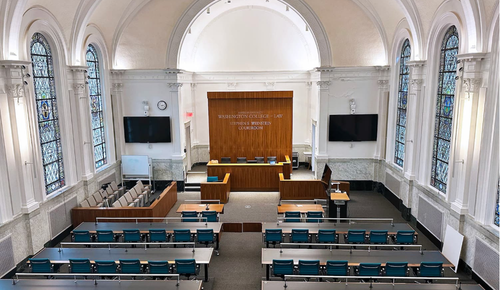
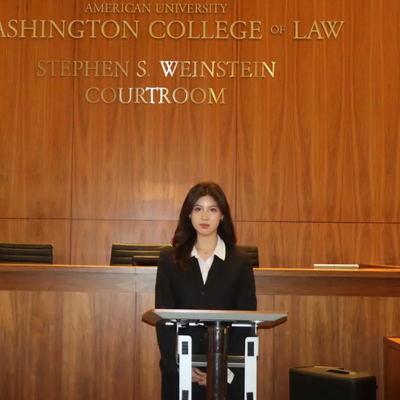
I learned about courtroom procedure and the structure of oral advocacy by participating in a mock trial exercise focused on witness preparation, direct examination, and effective courtroom communication.
Through this experience, I gained a deeper understanding of how attorneys construct persuasive arguments, prepare witnesses for testimony, and navigate the strategic demands of trial advocacy.

How We Prepared Our Witness
I had the distinct privilege of learning from Federal Judge Adam Hunter, who provided invaluable insight into courtroom advocacy, witness preparation, and effective oral argumentation during trial proceedings.
Building on this guidance, I concluded my internship by participating in a full mock trial simulation alongside my peers. Throughout the simulation, we prepared witnesses, developed a case strategy, and conducted opening statements, direct examinations, cross-examinations, and closing arguments in a collaborative courtroom setting.
My Congressional Advocacy
I developed skills to effectively advocate on behalf of my client to congressional staffers. To prepare for my meetings, I developed comprehensive briefing materials with my team, which focused on actionable items to improve the criminal justice system.
On Capitol Hill, we highlighted systemic issues within the criminal justice system to congressional representatives and presented possible solutions.
My team and I worked to ensure we had facts, statistics, and compelling stories to share with our representatives. After our meeting, we followed up with our representatives to call for further action.
Internship Highlights
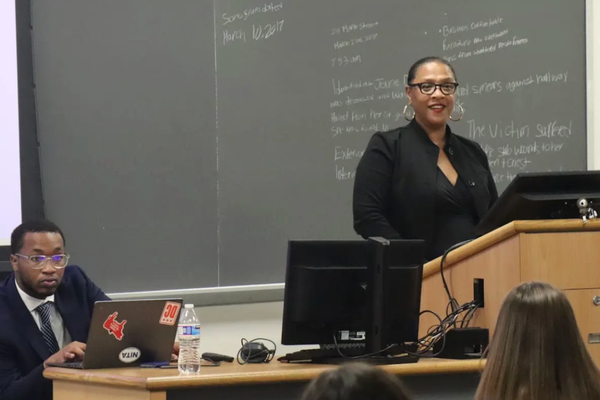
Brandi Harden is currently the Managing Partner at Harden Law | PLLC, a boutique law firm in Washington, D.C., focusing on criminal defense, civil rights, and family law. Ms. Harden is also an adjunct professor at Howard University School of Law, where she coaches the Huver I. Brown Trial Advocacy Team. Ms. Harden also serves as an Adjunct Professor at American University-Washington College of Law (WCL), teaching Evidentiary Foundations and Objections.
Ms. Harden has served as a trial attorney and a supervising attorney at the Public Defender Service for the District of Columbia (PDS). Ms. Harden also served as Chair of the Criminal Practice Institute, faculty for Summer Series training, served as a member of the PDS Forensic Practice Group, and led Felony Division-Trial Practice Groups. Ms. Harden has also worked for The Southern Center for Human Rights, The United States Department of Labor, and The United States Department of Justice, Antitrust Division - Computer and Finance Section.
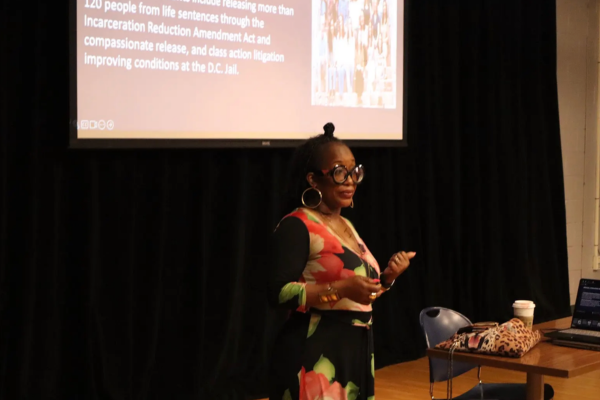
Before entering into private practice, Ms. Pinckney served as a deputy chief of the Trial Division for the Public Defender Service for the District of Columbia (hereinafter PDS). As a deputy trial chief, Heather Pinckney assisted in the management and day-to-day operations of the trial division and supervised over 60 attorneys litigating criminal cases in the District of Columbia Superior Court. Before becoming deputy trial chief, Ms. Pinckney served for 8 years as a staff attorney at PDS. She also served for 4 years as the chair of the DC Public Defender Service Hiring Committee.
Ms. Pinckney has also worked for the Educational Opportunities Section of the Civil Rights Division of the United States Department of Justice and the Washington Legal Clinic for the Homeless and TransAfrica.
Ms. Pinckney has acted as a visiting instructor with the Georgia Honors Program and with the Southern Public Defender Training Center. She has also served as a guest lecturer at Howard University School of Law, American University School of Law, the David A. Clarke School of Law (UDC), and the Harvard Law School Trial Advocacy Workshop.
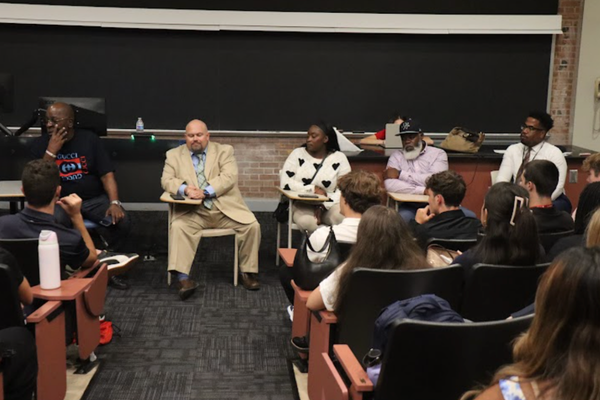
The National Reentry Network for Returning Citizens is an organization dedicated to supporting individuals returning from incarceration through a strong national network, addressing their basic needs, and promoting successful reintegration. The Network emphasizes restorative practices, empowerment, and leadership among returning citizens to reduce recidivism.
Courtney Stewart, the Director of the National Reentry Network, exposed our team to the idea of the school-to-prison pipeline and the “War on Drugs” that targets Black men, women, and children to a greater extent than others in our society. These issues also connect with the obstacles returning citizens face post-incarceration.
Mr. Stewart’s vision is to reinvest in safe and healthy communities, create more living-wage jobs, establish permanent housing, and develop economic self-sufficiency for returning citizens.
During his visit, he brought newly returned citizens to speak about their criminal history, reentry experiences, challenges with recidivism, and their lives before, during, and after incarceration.
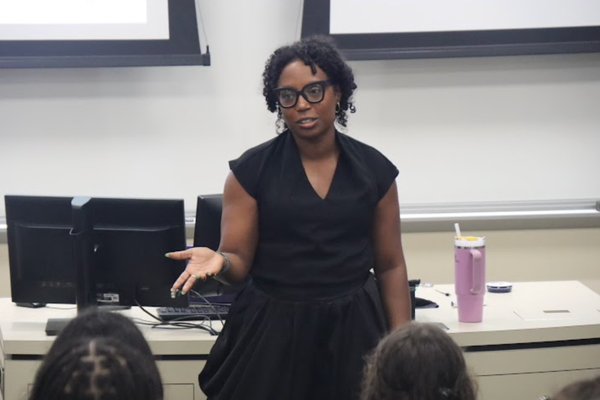
Dr. Carter delivered an engaging lecture titled Introduction to Criminology, which explored the foundations of crime, criminal behavior, and the structure of the criminal justice system.
Through the lecture, Dr. Carter provided valuable insight into the social, psychological, and environmental factors that contribute to crime, while encouraging interns to think critically about the causes of criminal behavior and the purpose of punishment within society.
He guided us through foundational criminological theories and discussed how criminology intersects with law, public policy, and justice reform.
In addition to sharing his academic expertise, Dr. Carter offered advice on pursuing careers in criminology, law, and related fields within the justice system.
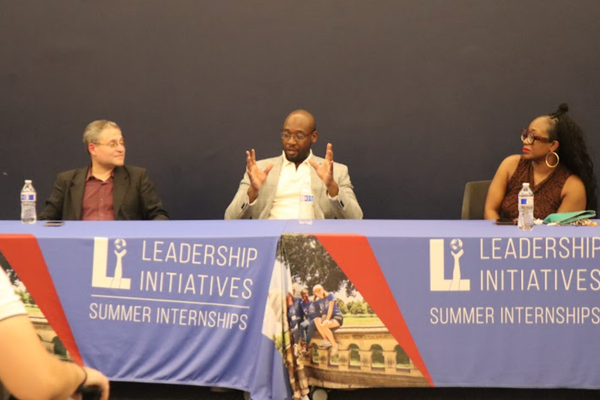
During the internship, we had the opportunity to participate in a legal careers panel featuring distinguished attorneys and legal professionals from a variety of practice areas.
Speakers discussed their professional experiences in areas such as litigation, public service, corporate law, and advocacy. They talked about their differing experiences and the many paths to law school and beyond. Giving us key insights into the differing types of legal practice.
We also attended a law school admissions panel, where admissions representatives provided guidance on the law school application process and the academic preparation necessary for success in legal education. The discussion offered a valuable perspective on what law schools seek in prospective applicants.
Together, these panels gave interns a deeper understanding of both the professional and academic dimensions of the legal field. The experience allowed students to engage directly with legal practitioners and admissions professionals while gaining meaningful insight into future careers in law and public service.