
Annabelle-Chantana
Annabelle Chantana

My Law & Advocacy Training


My Legal Research
During this internship, I explored various aspects of the justice system and gained a deep appreciation for the indispensable role research plays in legal practice. As a legal intern, I reviewed a diverse range of case documents, including motions, affidavits, grand jury testimony, and discovery materials.
Under the mentorship of Keah Beeftu from The Second Look Project, I received valuable guidance on interpreting different laws and the process of filing motions.
In preparing my client for trial, I meticulously examined legal documents and exhibits, completing extensive legal research to identify inconsistencies and gather supporting evidence. This process informed the development of effective lines of questioning for our client.
Additionally, we learned about core legal concepts like actus reus, mens rea, concurrence, causation, and harm to develop write-ups to guide our client’s prosecution and defense. We used all of our acquired legal research skills to compose a one-pager that we were able to discuss with officials on Capitol Hill.
My Oral Argument Preparation
The Basics Of Oral Argumentation
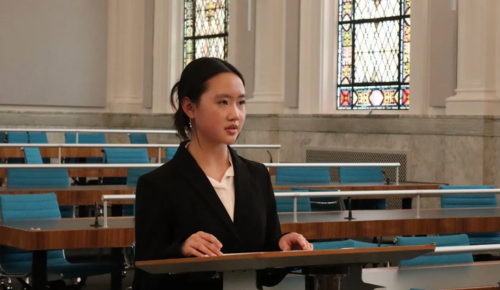
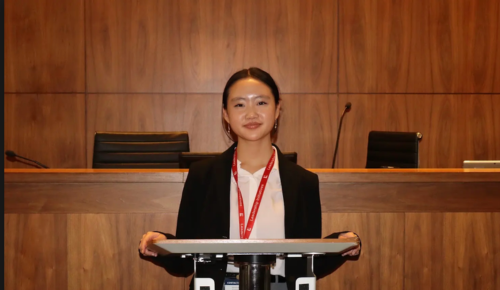
To help the legal team prepare their IRAA Motion, I had to craft a compelling argument on various sections of the briefing, including the client’s history, medical records, activity records, and rehabilitation, while critically evaluating their impact in the courtroom.
I learned about oral arguments from practicing attorneys and worked with my peers to develop effective legal strategies. This experience not only strengthened my public speaking and analytical skills but also my understanding of advocacy.
How We Prepared Our Oral Argument
At the end of the internship, I presented my argument and recommendations to strengthen the case to the legal team and my peers.
I presented various facts of the case and mitigating factors that could influence the outcome of the IRAA motion and the sentence reduction. This part was crucial in demonstrating our problem-solving skills and contributing meaningfully to the legal strategy.
This is important because now the legal team has a variety of different perspectives to include in the briefing and has recommendations for the client to improve their standing in court.
My Congressional Advocacy
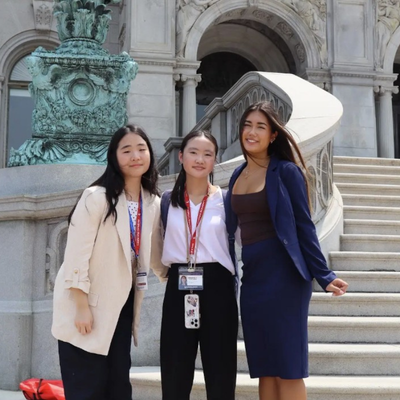
Throughout the internship, I developed skills to effectively advocate on behalf of my client to congressional staffers. To prepare for my meetings, I developed informative briefing materials with my team, which focused on improving the criminal justice system.
On Capitol Hill, we highlighted an issue within the criminal justice system to congressional representatives and advocated for possible solutions to the critical issues present throughout the system. My team and I worked to ensure we had facts, statistics, and compelling stories to share with our representatives. After our meeting, we followed up with our representatives to call for further action.
Internship Highlights
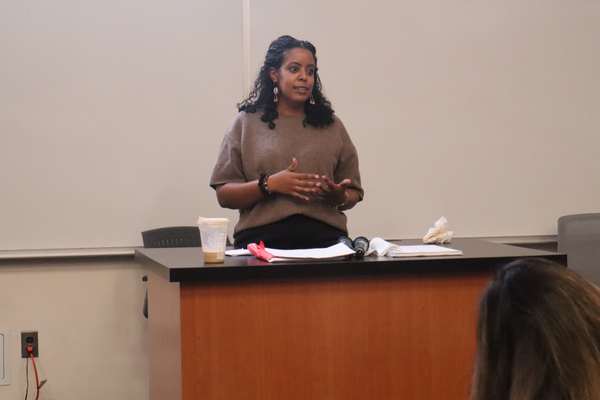
Guest expert Keah Beeftu, an attorney with the Second Look Project, spoke with us about the importance of providing incarcerated individuals a meaningful second chance. At the Second Look Project, she advocates for people serving lengthy sentences by drafting and litigating briefs under the Incarceration Reduction Amendment Act, emphasizing rehabilitation, personal growth, and the need to address overly punitive sentencing.
I learned how legal advocacy can highlight stories of transformation and bring fairness to the justice system while also working to reunite families and strengthen communities.
Her work at the Second Look Project demonstrated how lawyers can combine litigation, reform, and human-centered advocacy to challenge mass incarceration and create opportunities for justice and redemption.
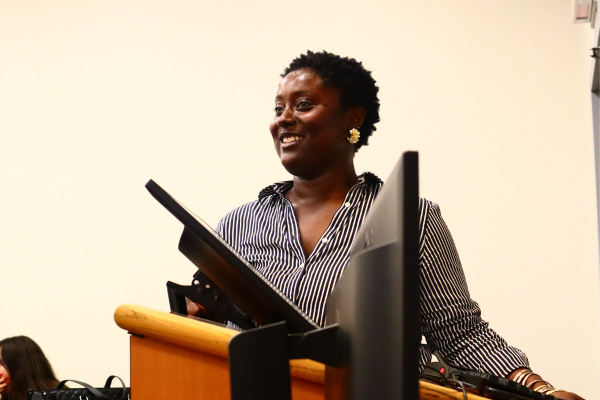
The D.C. Justice Lab Institute’s Oluwademilade focuses on advancing meaningful criminal justice reform through legal advocacy, policy development, and community-centered approaches that address systemic inequities within Washington, D.C.’s criminal legal system.
Oluwademilade hosted a conversation on legal mechanisms for reform, exploring how advocates can use legislation, policy advocacy, and legal strategies to challenge inequities within the criminal legal system and translate reform priorities into tangible institutional change.
I gained a stronger understanding of how legal and policy mechanisms can serve as powerful instruments for systemic reform, particularly when advocacy efforts center the experiences of impacted communities and transform those perspectives into sustainable changes in law and public policy.
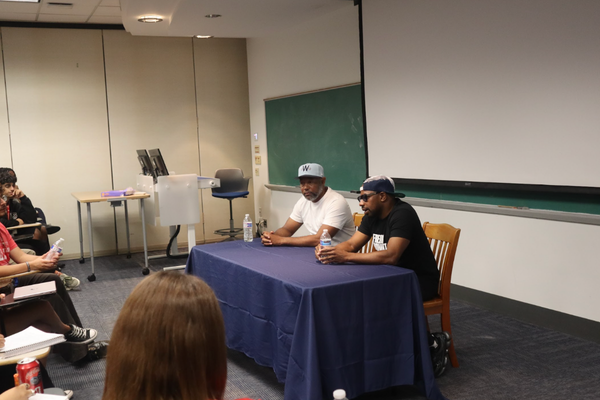
During the Advanced Law and Justice Reform Internship, we participated in The Case for Justice Reform: Stories from the System. During the session, individuals released under the Incarceration Reduction Amendment Act (IRAA) were brought in, allowing interns to hear firsthand accounts from people directly impacted by sentencing reform in Washington, D.C.
The discussion highlighted the realities of incarceration, rehabilitation, and reentry, while emphasizing the human impact of second-chance legislation. Hearing these personal stories gave interns a deeper understanding of how justice reform affects individuals, families, and communities.
The panel also provided insight into how IRAA motions are structured and argued, explaining the legal advocacy involved in resentencing cases and the broader efforts surrounding justice reform in the District.
Together, the session connected legal analysis with lived experience, giving interns a meaningful perspective on both the legal and personal dimensions of sentencing reform.
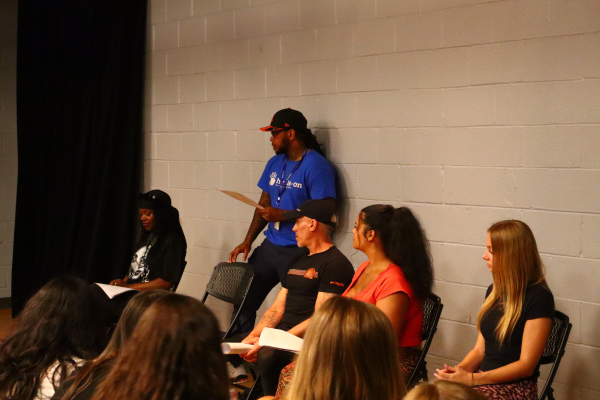
Poet Ambassadors from the Free Minds Book Club & Writing Workshop, a DC-based nonprofit that uses literature and creative writing to build community with incarcerated youth and adults, spoke with us about how Free Minds has an impact on currently incarcerated and returning citizens.
I learned about the importance of support systems during the IRAA and YRA processes and how Free Minds uses writing and book clubs as networks for people during and after incarceration.
The Poet Ambassadors have developed creative solutions to the issues that have ramifications for them and their communities, which taught me to seek remedies for problems I identify.
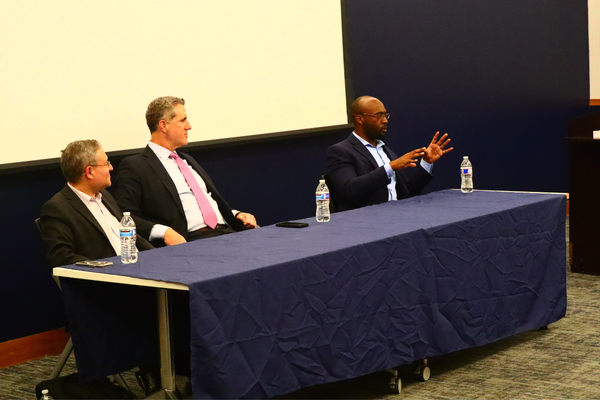
During the internship, we had the opportunity to participate in a legal careers panel featuring distinguished attorneys and legal professionals from a variety of practice areas.
Speakers discussed their professional experiences in areas such as litigation, public service, corporate law, and advocacy. They talked about their differing experiences and the many paths to law school and beyond. Giving us key insights into the differing types of legal practice.
We also attended a law school admissions panel, where admissions representatives provided guidance on the law school application process and the academic preparation necessary for success in legal education. The discussion offered a valuable perspective on what law schools seek in prospective applicants.
Together, these panels gave interns a deeper understanding of both the professional and academic dimensions of the legal field. The experience allowed students to engage directly with legal practitioners and admissions professionals while gaining meaningful insight into future careers in law and public service.