

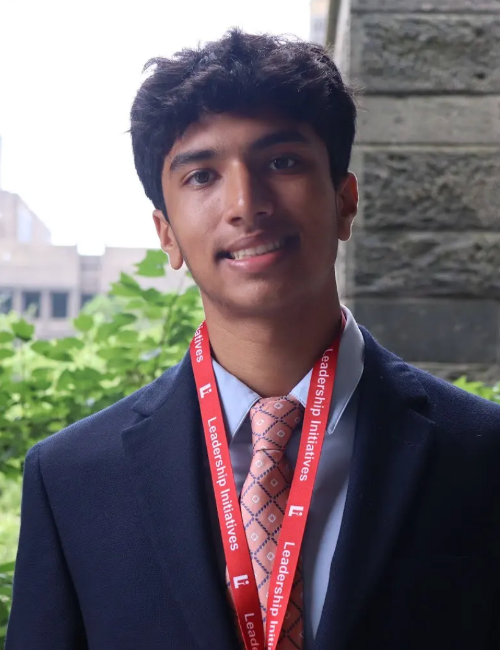
Harsil Patel
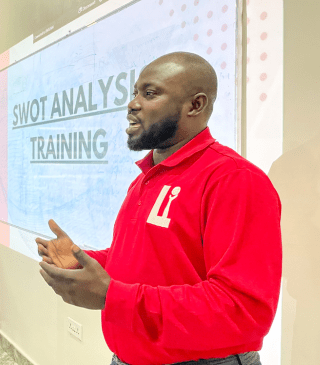
My Business Training


Sadiya Isa
Quick Facts
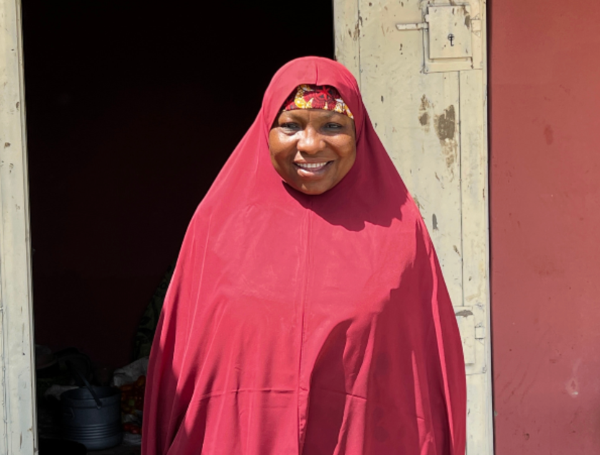
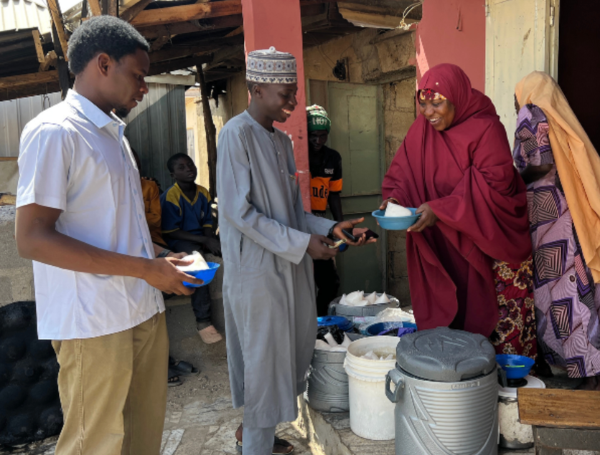
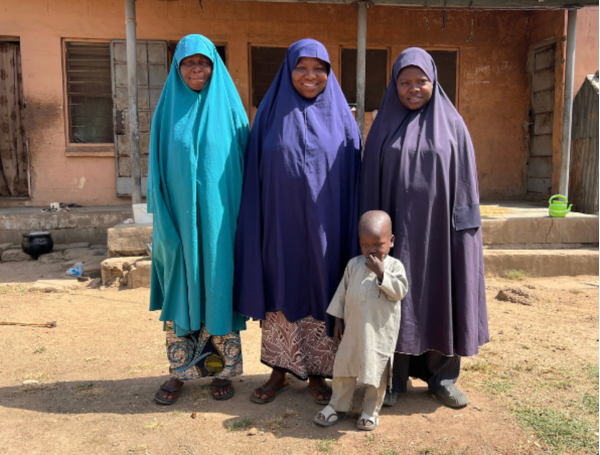
Sadiya Isa, affectionately known as “Baba Mai Masa,” is a deeply resilient 55-year-old food entrepreneur in Bauchi State.
Raised in a large, traditional household of forty children in Plateau State, Sadiya was denied a formal education but mastered the culinary trade by helping her mother sell food.
After overcoming a difficult early marriage and the loss of her second husband fourteen years ago, she became the sole pillar for a household of twenty people, including her children and orphaned grandchildren.
Driven by a lifelong passion for nurturing others, Sadiya successfully runs her own restaurant to secure her family's future.
Sadiya Isa
Business Goals
Sadiya is hoping to expand her local shop, Baba Mai Masa Restaurant, into a premier main street culinary hub.
She plans to offer an affordable variety of fresh daily meals, including masa, jollof rice, tuwo, and akara, alongside a specialized small-scale catering and home delivery service.
Targeting up to seventy local traders, students, and office workers daily, she prioritizes exceptional customer service and budget-friendly, fixed pricing.
Ultimately, Sadiya intends to leverage simple, eye-catching branding and local community values to create a highly reliable neighborhood staple that evokes happiness, comfort, and deep customer trust.
Sadiya Isa
Business Obstacles
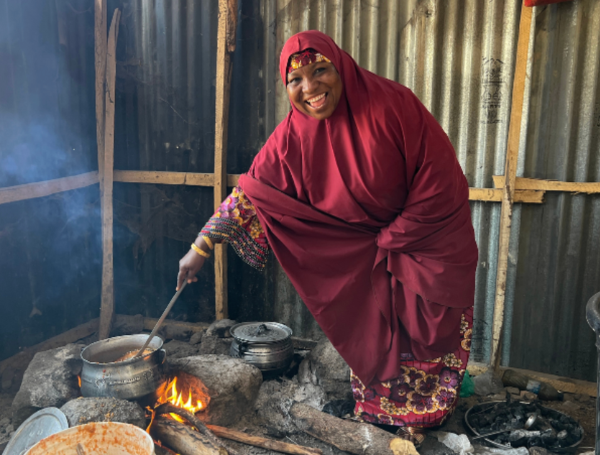
Sadiya runs a high-volume food business despite relying entirely on two outdated wood stoves and basic materials like cooking pots and stools.
Managing a household of twenty while serving seventy customers a day puts an immense physical strain on her, but her main roadblocks are the complex managing and financial demands required of her as the owner.
Without a formal education in money management, tracking profits and handling business finances is a major stressor.
Additionally, coordinating daily staff operations and organizing onhand supplies to prevent running out of food during peak lunch rushes present significant logistical challenges.
Sadiya Isa
Vulnerabilities
Sadiya seeks support from Leadership Initiatives to upgrade her restaurant operations, requiring a commercial refrigerator, gas cooking stoves, a generator, a microwave, and startup funds.
This partnership will provide the funding to transition from wood-fire cooking to a cleaner, highly efficient gas system while securing more customers at a time.
Beyond equipment, this collaboration will offer Sadiya vital small-business mentorship to help her structure her financial tracking, manage restaurant supplies efficiently, and oversee her staff.
With this assistance, her workspace will transform into a spacious restaurant with vibrant colors, a checkout counter, and comfortable dining tables, ensuring long-term success.
My Business Proposal
Throughout the program, we worked closely with Sadiya Isa to develop a clear understanding of their business goals. Though they have leveraged their skills and years of experience to create their business, they face obstacles hindering the expansion of their work.
Guided by their vision, we created a proposal detailing the marketing materials necessary to support the growth of their business. We devised a plan that would allow Sadiya Isa to optimize their business through a new brand identity
Investments in a logo and marketing materials, such as signs and flyers, are vital for establishing a strong brand identity and expanding the customer base. These visual assets create a consistent and memorable image that builds trust and recognition among potential clients.

My Business Proposal Presentation
As part of the International Leadership and Business Internship, I collaborated with top development experts to strengthen my business partner’s brand.
At the conclusion of the program, my team presented our final proposal to a panel of judges from the Leadership Initiatives Grant Committee. This formal pitch allowed us to demonstrate our entrepreneurial skills, showcase our strategic plan, and advocate for meaningful change in our partner’s business.
Our team was awarded grant funding to support the implementation of our business partner’s plan, providing life-changing support that will expand operations, strengthen financial stability, and create new growth opportunities. Over the next year, this grant will help transform the future of their business and improve the quality of life for both the entrepreneur and their community.
Internship Highlights
- Business Partner Meeting
- Visit To The Embassy Of Egypt
- Professional Networking Panel
- Professional Mentorship
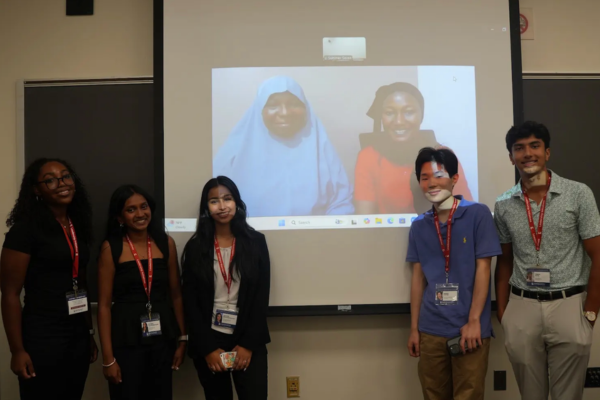
Our business development journey began with a one-on-one Zoom meeting with our partner, Sadiya Isa, and our Nigerian project coordinator. This initial conversation laid the foundation for strong collaboration. It allowed us to better understand our partner's background, family, goals for the business, and the specific challenges they were facing.
Hearing directly from Sadiya Isa provided the insight we needed to begin brainstorming practical, personalized solutions. Each morning, our team held focused discussions to refine our ideas, reflect on expert advice from the day before, and adjust our timeline to move our plans forward efficiently.
Throughout the process, on-staff project coordinators and business development experts offered guidance, helping us ask the right questions and turn our ideas into meaningful, actionable strategies.
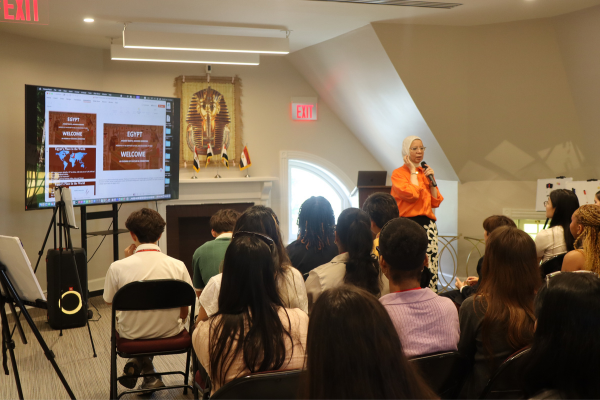
I had the unique opportunity to visit the Embassy of Egypt, where I gained firsthand insight into the role of diplomacy in fostering strong relationships between Egypt and the United States.
The embassy serves as a center for international collaboration, partnering with countries and global organizations to address pressing issues such as poverty, gender inequality, and climate change. Through this visit, I learned how diplomats engage in meaningful dialogue and policy development to create sustainable, people-focused solutions.
Officials from the Embassy of Egypt shared how they collaborate with local communities to identify needs and implement programs that empower individuals and strengthen long-term development. This commitment to community-driven impact inspired my team and me as we worked to develop our own business proposal focused on creating lasting change.
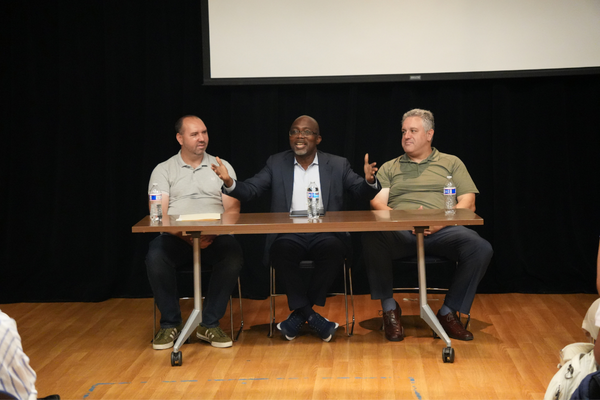
During the career mentoring panel, I had the opportunity to learn from professionals with diverse experiences across higher education, athletics, business, and entrepreneurship. Andrii Marchak and Anthony Annan shared insights from their careers and experiences at Georgetown University, while Scott Rezendes discussed his professional journey and work with the Soccer Syndicate. Together, their different backgrounds provided valuable perspectives on navigating career opportunities, developing professional skills, and building meaningful relationships.
Throughout the panel, we were able to ask questions about networking, career planning, leadership, professional growth, and finding opportunities in competitive industries. The panelists discussed their own career paths, the decisions and experiences that shaped their professional development, and strategies for building strong networks and making lasting professional connections.
This experience broadened my understanding of the many different paths a successful career can take. Hearing directly from professionals across different fields encouraged me to think more intentionally about my own goals and reinforced the importance of communication, adaptability, networking, and taking advantage of opportunities throughout my education and future career.
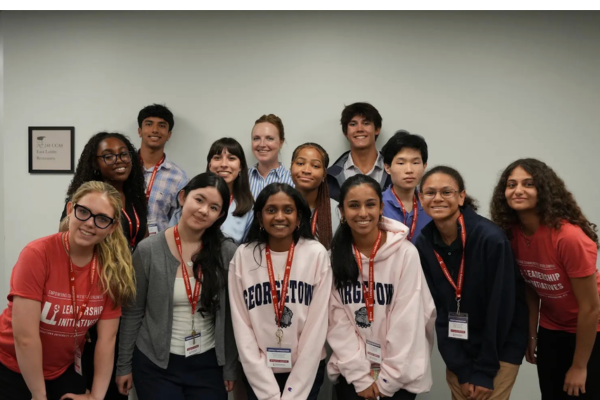
Throughout the internship, our team had the incredible opportunity to collaborate with leading experts in business and economic development from Johns Hopkins University, the U.S. State Department, and the U.S. Department of Commerce.
One of the highlights was a session with Carla Brooks, Business and Development Officer at the Johns Hopkins Center for Communication Programs.
My team also worked directly with a personal mentor. Our mentor provided us with career insights, project support, and feedback for our business ideas. The meetings we had throughout the week with our mentor provided critical insights from the initial business ideation phase through our project presentation.
With support from Ms. Brooks and other global leaders, including Eric Rosenstein, we refined our ideas, strengthened our strategy, and developed a powerful and polished pitch deck to present at the end of the week. Their guidance helped us take our business proposal to the next level, creating a plan designed not only to launch a venture, but to transform our business partner’s future.