
Salvador Medina
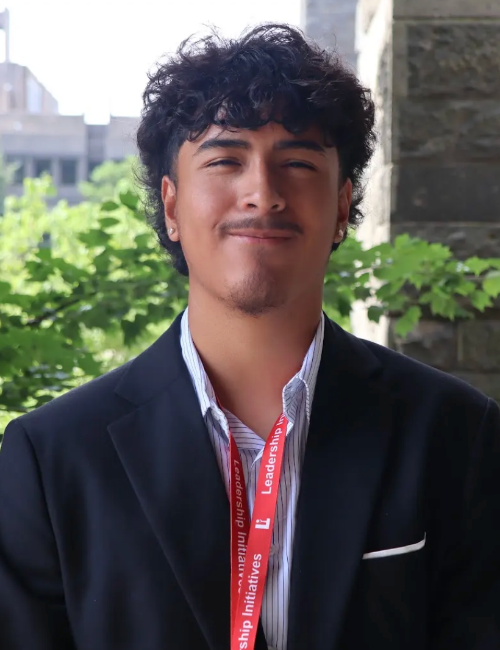
My Business Training
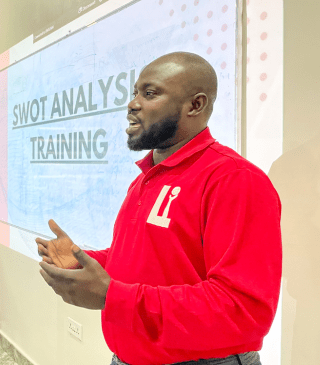


Umar Garba
Quick Facts
Umar Garba, nicknamed "Jet," is a highly disciplined 36-year-old block-making professional from Jahun, Bauchi State.
Raised with a structured routine of intensive Islamic and Western schooling, Umar learned masonry and iron bending directly from his hardworking father.
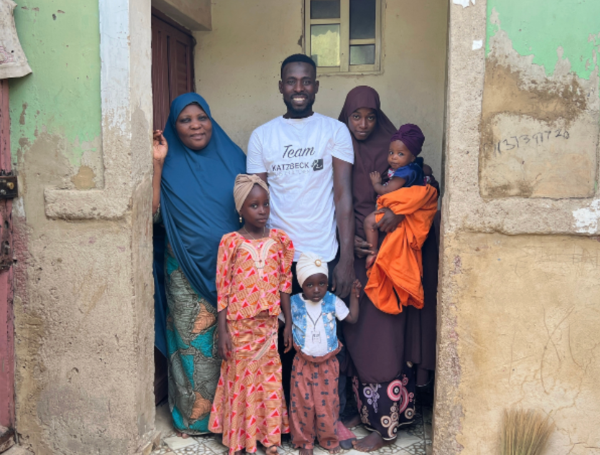
Today, he is the only economic provider for his wife, three children, younger sisters, and his mother, who requires expensive weekly medication for chronic health conditions that she’s developed over time.
Having survived two severe road accidents that left his legs held together with iron, Umar’s resilient work ethic drives him to establish an independent, commercial block-manufacturing factory.
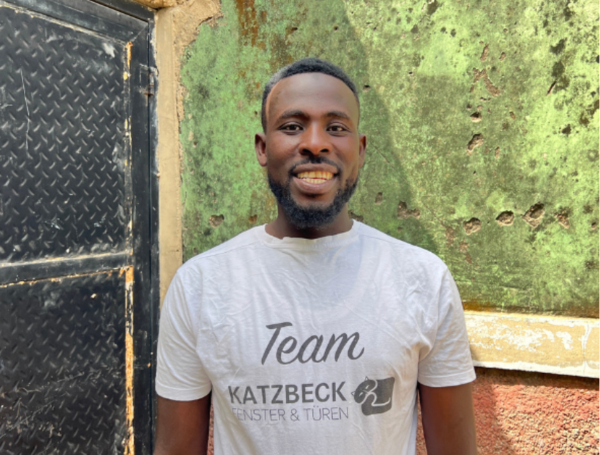
Umar Garba
Business Goals
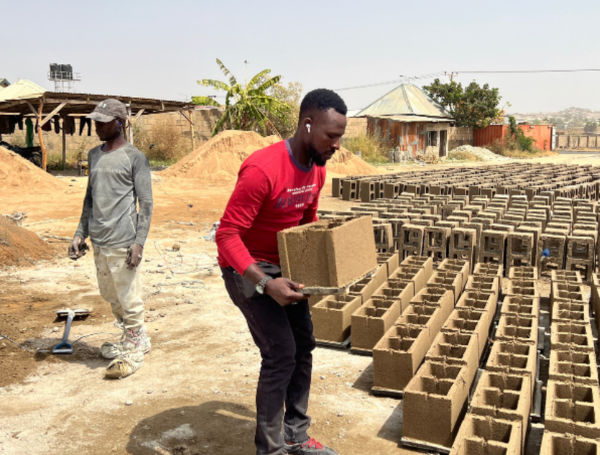
Umar aims to establish a leading block supply company, UGJ Block Industry, producing high-grade four, six, and nine-inch cement construction blocks.
Targeting nearby contractors, real estate developers, and civil servants building retirement homes, he guarantees excellent structural craftsmanship, fixed pricing, and streamlined, fast-paced customer service.
Umar plans to serve up to fifteen major client orders weekly, operating seven days a week on a highly accessible main street.
Ultimately, he wants to build a powerful brand reputation similar to top-tier industrial giants like Dangote and BUA to make his presence known in the competitive block business market
Umar Garba
Business Obstacles
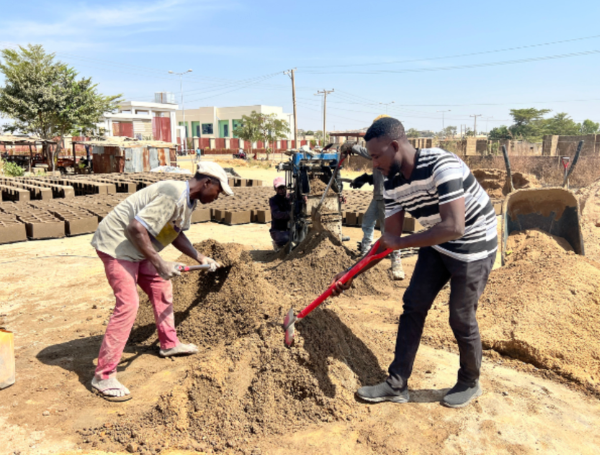
Umar consistently delivers heavy-duty masonry work despite currently owning only a single shovel, safety boots, and a measuring tape.
Currently, his primary roadblocks are the severe environmental and logistical hurdles of running an independent block supply business
During the intense hot season, local water shortages cause wells to dry up, directly threatening the flow of the block-making process.
Umar has a lot of difficulty transporting heavy finished blocks to customer construction sites without dedicated logistics support.
These various limitations, combined with a lack of financial record-keeping experience to the navigate slow market periods, are pressing challenges to his growth.
Umar Garba
Vulnerabilities
Umar seeks support from Leadership Initiatives to launch his own block supply yard, requiring a block-making engine, a vibrating pallet, a generator, wheelbarrows, and more.
This partnership will provide the vital seed capital to secure a main street lot and purchase raw materials in bulk, including water hoses to work during seasonal shortages.
Beyond equipment, this collaboration will provide Umar with strategic business mentorship to master financial record-keeping, helping him manage cash flow through slow seasons and arrange reliable customer delivery options.
This support ensures complete operational independence, empowering Umar to confidently sustain his household.
My Business Proposal
Throughout the program, we worked closely with Umar Garba to develop a clear understanding of their business goals. Though they have leveraged their skills and years of experience to create their business, they face obstacles hindering the expansion of their work.
Guided by their vision, we created a proposal detailing the infrastructure materials necessary to support the growth of their business. We devised a plan that would allow Umar Garba to optimize their business through a new financial tracking system.
This new budget enables Umar Garba to allocate funds toward essential materials and equipment, supporting the improvement of their services. Effective financial tracking will be crucial for managing increased revenue and preserving assets, ensuring the business’s long-term growth and stability.

My Business Proposal Presentation
As part of the International Leadership and Business Internship, I collaborated with top development experts to strengthen my business partner’s operation and finances.
At the conclusion of the program, my team presented our final proposal to a panel of judges from the Leadership Initiatives Grant Committee. This formal pitch allowed us to demonstrate our entrepreneurial skills, showcase our strategic plan, and advocate for meaningful change in our partner’s business.
Our team was awarded grant funding to support the implementation of our business partner’s plan, providing life-changing support that will expand operations, strengthen financial stability, and create new growth opportunities. Over the next year, this grant will help transform the future of their business and improve the quality of life for both the entrepreneur and their community.
Internship Highlights
- Business Partner Meeting
- Visit To The Embassy Of Lithuania
- Professional Networking Panel
- Professional Mentorship
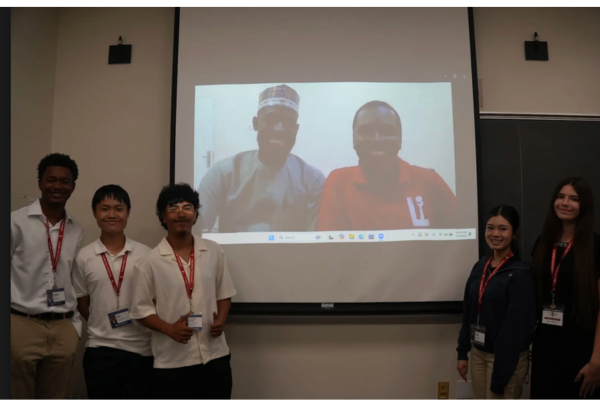
Our business development journey began with a one-on-one Zoom meeting with our partner, Umar Garba, and our Nigerian project coordinator. This initial conversation laid the foundation for strong collaboration. It allowed us to better understand our partner's background, family, goals for the business, and the specific challenges they were facing.
Hearing directly from Umar Garba provided the insight we needed to begin brainstorming practical, personalized solutions. Each morning, our team held focused discussions to refine our ideas, reflect on expert advice from the day before, and adjust our timeline to move our plans forward efficiently.
Throughout the process, on-staff project coordinators and business development experts offered guidance, helping us ask the right questions and turn our ideas into meaningful, actionable strategies.
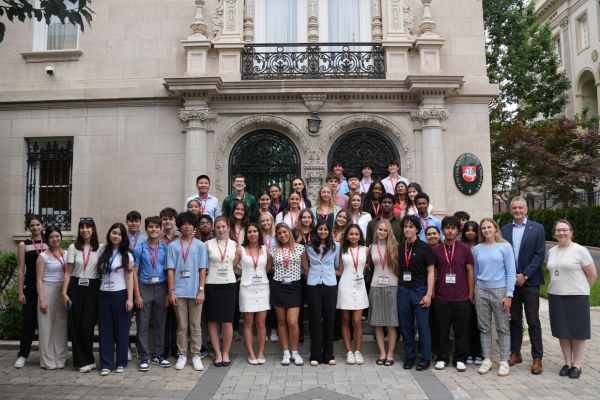
I had the unique opportunity to visit the Embassy of Lithuania, where I gained firsthand insight into the role of diplomacy in fostering strong relationships between Lithuania and the United States.
The embassy serves as a center for international collaboration, partnering with countries and global organizations to address pressing issues such as poverty, gender inequality, and climate change. Through this visit, I learned how diplomats engage in meaningful dialogue and policy development to create sustainable, people-focused solutions.
Officials from the Embassy of Lithuania shared how they collaborate with local communities to identify needs and implement programs that empower individuals and strengthen long-term development. This commitment to community-driven impact inspired my team and me as we worked to develop our own business proposal focused on creating lasting change.
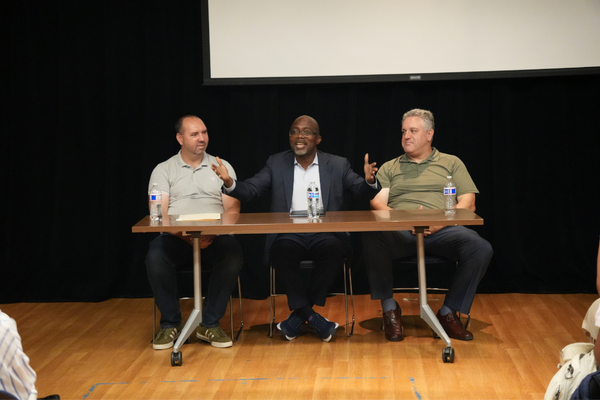
During the career mentoring panel, I had the opportunity to learn from professionals with diverse experiences across higher education, athletics, business, and entrepreneurship. Andrii Marchak and Anthony Annan shared insights from their careers and experiences at Georgetown University, while Scott Rezendes discussed his professional journey and work with the Soccer Syndicate. Together, their different backgrounds provided valuable perspectives on navigating career opportunities, developing professional skills, and building meaningful relationships.
Throughout the panel, we were able to ask questions about networking, career planning, leadership, professional growth, and finding opportunities in competitive industries. The panelists discussed their own career paths, the decisions and experiences that shaped their professional development, and strategies for building strong networks and making lasting professional connections.
This experience broadened my understanding of the many different paths a successful career can take. Hearing directly from professionals across different fields encouraged me to think more intentionally about my own goals and reinforced the importance of communication, adaptability, networking, and taking advantage of opportunities throughout my education and future career.
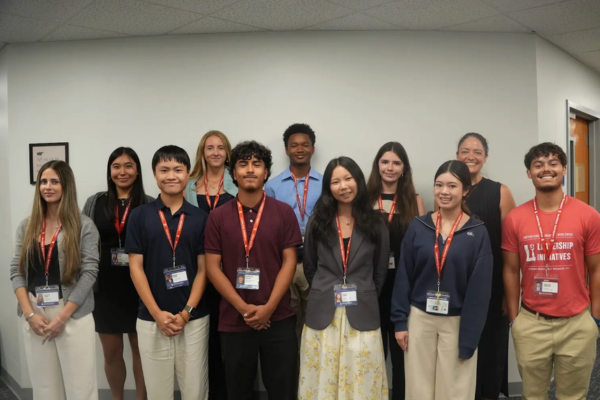
Throughout the internship, our team had the incredible opportunity to collaborate with leading experts in business and economic development from Johns Hopkins University, the U.S. State Department, and the U.S. Department of Commerce.
One of the highlights was a session with Carla Brooks, Business and Development Officer at the Johns Hopkins Center for Communication Programs.
My team also worked directly with a personal mentor. Our mentor provided us with career insights, project support, and feedback for our business ideas. The meetings we had throughout the week with our mentor provided critical insights from the initial business ideation phase through our project presentation.
With support from Ms. Brooks and other global leaders, including Eric Rosenstein, we refined our ideas, strengthened our strategy, and developed a powerful and polished pitch deck to present at the end of the week. Their guidance helped us take our business proposal to the next level, creating a plan designed not only to launch a venture, but to transform our business partner’s future.