

Rian Alva

My Cybersecurity Training




Hola Cultura DC
Quick Facts
Hola Cultura is a nonprofit bilingual media organization dedicated to celebrating Latine arts, culture, and humanities while connecting Latine and non Latine communities.
The organization produces bilingual journalism, educational programs, oral history projects, podcasts, and cultural events that amplify diverse voices and promote civic engagement.
Its mission is to build innovative pathways to success for the Latine community through education, journalism, and cultural storytelling.
By combining media, education, and community engagement, Hola Cultura helps preserve cultural heritage while fostering greater understanding and inclusion.

Hola Cultura DC
About the Organization
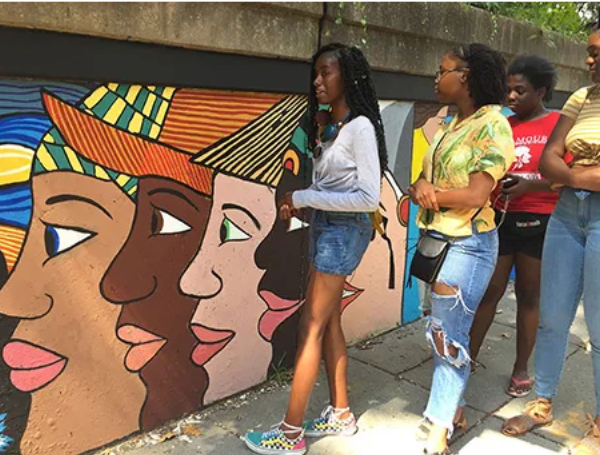
Hola Cultura is committed to strengthening communities by producing bilingual journalism and educational programming that highlights the experiences, history, and contributions of Latine communities.
Through storytelling initiatives, student internships, podcasts, walking tours, festivals, and oral history projects, the organization provides meaningful opportunities for learning, civic participation, and cultural preservation. Hola Cultura also equips students and emerging journalists with practical media and communication skills through experiential learning.
By promoting accurate representation and cross cultural understanding, the organization empowers individuals to engage with their communities while celebrating the richness and diversity of Latine culture.
Hola Cultura DC
Community Involvement
Hola Cultura works closely with students, educators, journalists, artists, and volunteers to create bilingual stories, educational content, and cultural programming that serves local communities. The organization also provides experiential learning opportunities through its Storytelling Program for Experiential Learning.
The organization partners with schools, universities, cultural institutions, community organizations, and media outlets to expand educational opportunities and amplify Latine voices. These collaborations strengthen civic engagement, journalism, and cultural preservation throughout the communities it serves.
Through festivals, walking tours, oral history projects, and public events, Hola Cultura continues to build meaningful connections while promoting education, culture, and community engagement.

Hola Cultura DC
Sources of Funding
Hola Cultura is funded through individual donations, philanthropic grants, foundation support, sponsorships, and community contributions that sustain its journalism, educational programs, and cultural initiatives.
The organization also receives support from charitable foundations, government arts and humanities programs, businesses, and individual donors while maintaining complete editorial independence in its reporting and programming.
Funding is used to support bilingual journalism, student learning programs, investigative reporting, podcasts, cultural events, and community storytelling projects that strengthen and celebrate Latine communities.

My Security Presentation
During the Cybersecurity & Defense Internship, I worked with Beth Cerrone and Jamie Kreider to learn the basics of cybersecurity and explore its practical applications.
Throughout the week, I worked with a nonprofit to develop cybersecurity solutions to protect against various cyber threats. I worked with my team to analyze the threats to the organization and then developed a comprehensive solution.
At the conclusion of this internship, our team pitched the final proposal to the Leadership Initiatives Grant Committee, earning a microgrant to support the implementation of our proposal.

My Security Proposal Presentation
Throughout the program, we worked closely with Hola Cultura to understand the cybersecurity risks affecting its readers, authors, volunteers, and published content. As a nonprofit newspaper connecting Latino and non-Latino communities, Hola Cultura relies on its digital presence to distribute authentic cultural reporting and creative work. Our analysis identified vulnerabilities involving phishing, password security, WordPress, and the use of personal devices.
The most pressing customer-facing issue is protecting authors’ work and published content from unauthorized access or manipulation. Phishing attacks, compromised accounts, or vulnerable WordPress plugins could jeopardize content during the editing process and undermine readers’ confidence in its authenticity.
To address these vulnerabilities, we proposed phishing and password training, WordPress penetration testing, and security keys for administrators. These measures will improve cybersecurity awareness, identify website vulnerabilities, restrict privileged access, and better protect Hola Cultura’s publications and digital community.
Internship Highlights
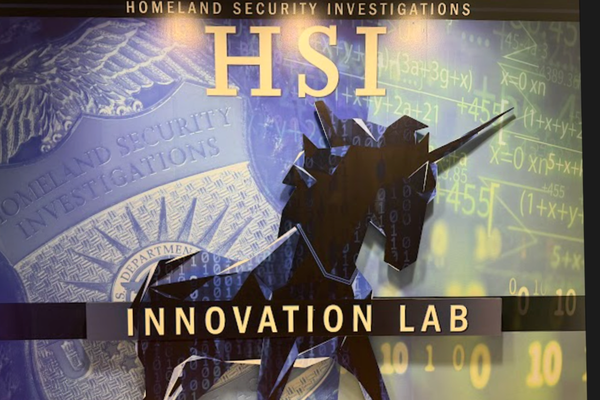
I was given the unique opportunity to take exclusive tours of multiple government and security sites to speak directly with security professionals. During these tours, I was able to witness firsthand how cybersecurity operates at the national and international level.
I was able to visit the United States’ Security Innovation Lab. Throughout this visit, I was able to learn firsthand from government officials regarding how the government funds and establishes cyber-intelligence and cyber-counterintelligence technology.
We also toured the Homeland Security Investigations' (HSI) Technical Operations Center. During this visit, we learned how the government uses technology to track major crimes including wire-fraud, human trafficking, child exploitation, and more.
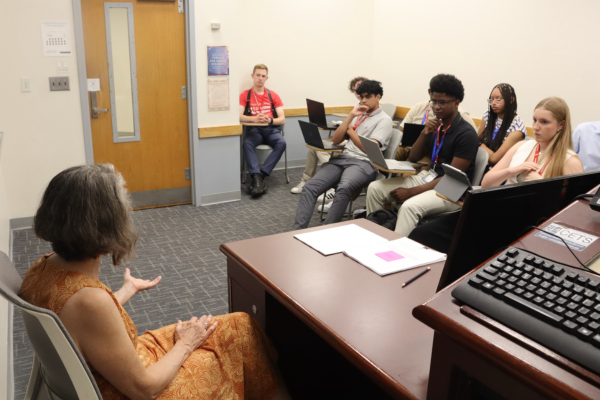
In order to apply the skills I learned throughout the internship, I worked directly with an organization based in the Washington, D.C. area, Knope, to discuss their company's cybersecurity needs.
After three meetings where I walked through the organization model, protected information, and staff training of the nonprofit, I worked with my team to create a staff training protocol and threat analysis for my partner.
At the end of the internship, I advocated on behalf of, and received funding for, my organization partner to implement the cybersecurity training protocols so they can best protect their client information and continue to develop with a reduced fear of cyberattacks and cybersecurity threats.
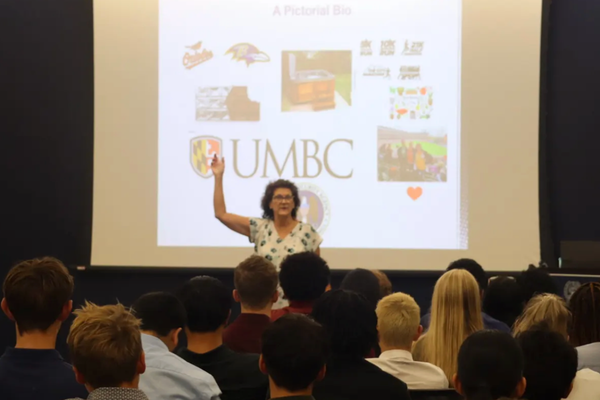
To learn more about the world of cybersecurity, I was given the unique opportunity to speak directly with cybersecurity experts from multiple organizations and backgrounds.
I worked directly with one of the leading consultants in Cyber Threat Management, and a lead Cyber Consultant from Ernst & Young, Phuong Nguyen, to learn about common threat assessment and cybersecurity counterintelligence. I also heard from the Director of Government Compliance for KPMG, Lisa Mathews, and a former Department of Justice Prosecutor, Brian Levine.
Throughout the internship, I also heard presentations from and spoke with representatives from the Department of Defense, Department of Homeland Security, and the National Security Agency. To learn the physical side of cybersecurity, we also had the unique opportunity to meet with globally recognized penetration testers and network threat assessors.
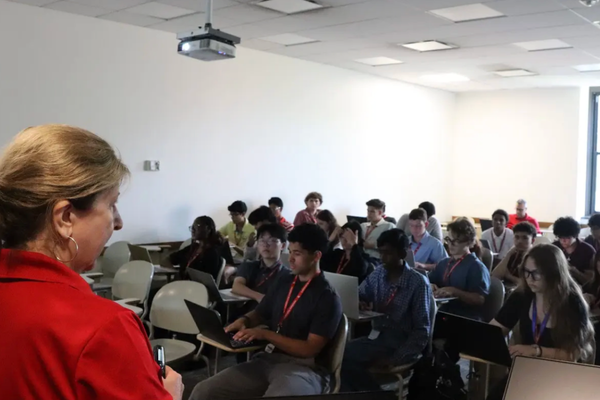
In order to put the skills we learned to the test, I had the unique opportunity to work with cybersecurity software typically used in graduate-level instructional courses. This provided me with a hands-on environment to develop and apply a wide range of cybersecurity skills.
I began with network cybersecurity, completing labs focused on network security and Linux to gain a deeper understanding of how networks communicate and where vulnerabilities may arise. This experience highlighted the ways in which cybersecurity threats can disrupt or compromise these communications, reinforcing the importance of proactive defense measures.
Building on these Linux skills, I participated in capture-the-flag coding competitions and explored virtual rooms designed to simulate real-world cybersecurity challenges. These activities tested both my technical abilities and problem-solving skills, allowing me to apply classroom concepts in practical, scenario-based settings.