

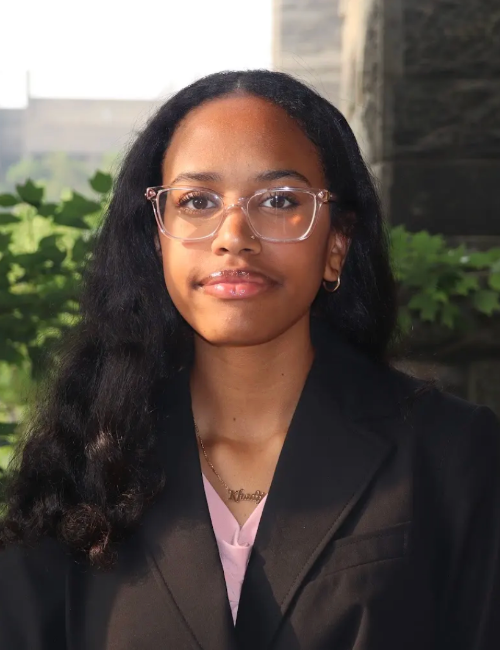
Khadija Mobarak
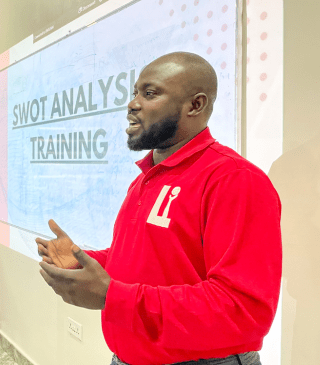
My Business Training


Zaharaddeen Hashimu
Quick Facts
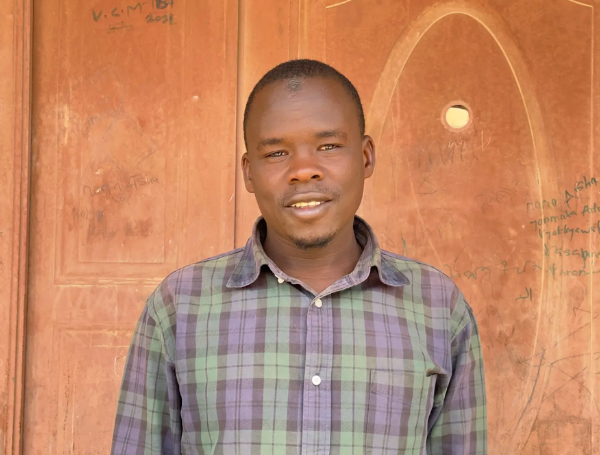
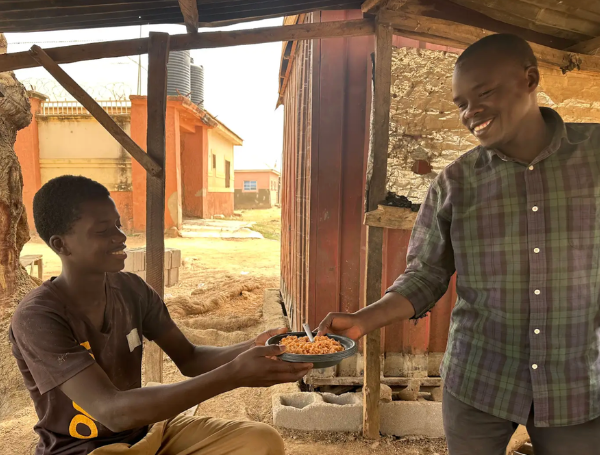
Zaharaddeen Hashimu, affectionately nicknamed "Zaharaddeen Mai Tea," is a resilient 29-year-old coffee and tea entrepreneur from Bauchi.
Following the untimely passing of his father when Zaharaddeen was just twelve, he learned to handle immense household pressures with maturity.
Today, he serves as the primary breadwinner for his extended family compound, successfully sponsoring his younger siblings' secondary school national examination fees and funding his sister’s wedding needs.
After surviving a severe medical illness and a subsequent motorbike accident that drained his early life savings, Zaharaddeen successfully rebuilt his culinary trade, driven by a deep sense of family duty.
Zaharaddeen Hashimu
Business Goals
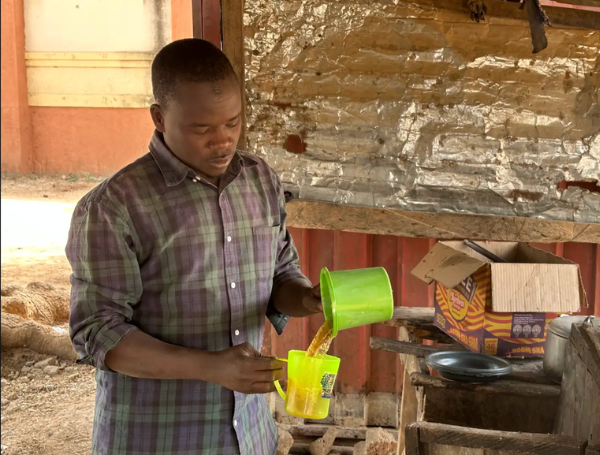
Zaharaddeen is aiming to transition his informal roadside setup into a permanent, structured quick-service diner named Deeni Tea and Coffee Business.
Operating daily from 6:00 AM to 11:00 PM on a bustling main street, his shop will serve fresh tea, custom-cooked eggs, Indomie noodles, and chilled dairy beverages.
He primarily targets factory laborers aged 18 to 25 from neighboring industrial water bottling plants who require fast, budget-friendly meals during shifts.
Anticipating fifty daily customers, Zaharaddeen plans to use bright, professional outdoor signage and highly efficient customer service to build a recognizable local brand.
Zaharaddeen Hashimu
Business Obstacles
Zaharaddeen maintains an exceptionally large daily customer base, yet his business stability is constantly threatened by his lack of permanent infrastructure.
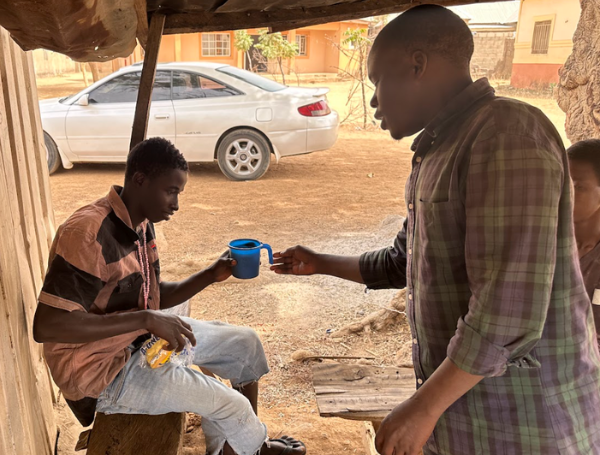
Operating entirely on the roadside exposes his business to bad weather and limits his ability to secure equipment.
His primary operational challenge is the lack of capital to purchase ingredients in bulk, which subjects his pricing to the erratic market fluctuations.
Additionally, operating without a commercial refrigerator prevents him from safely storing chilled dairy or pre-preparing food.
Also, tracking daily cash flows without formal bookkeeping training limits his ability to calculate long-term profit margins efficiently.
Zaharaddeen Hashimu
Vulnerabilities
Zaharaddeen is collaborating with Leadership Initiatives to move off the roadside and establish a permanent commercial cafe.
This strategic partnership will equip his new business with essential culinary assets, including an industrial food-preservation refrigerator, multiple gas cylinders, tables, chairs, and customer benches.
By providing the startup funding required to lease a personal, secure storefront on a main street, this initiative provides a safe, well-ventilated indoor space for his clients.
These resources directly help Zaharaddeen accommodate ingredient storage in bulk, scale his daily sales volume, and generate stable revenue to fund his family’s ongoing education costs.
My Business Proposal
Throughout the program, we worked closely with Zaharaddeen Hashimu to develop a clear understanding of their business goals. Though they have leveraged their skills and years of experience to create their business, they face obstacles hindering the expansion of their work.
Guided by their vision, we created a proposal detailing the marketing materials necessary to support the growth of their business. We devised a plan that would allow Zaharaddeen Hashimu to optimize their business through a new brand identity
Investments in a logo and marketing materials, such as signs and flyers, are vital for establishing a strong brand identity and expanding the customer base. These visual assets create a consistent and memorable image that builds trust and recognition among potential clients.

My Business Proposal Presentation
As part of the International Leadership and Business Internship, I collaborated with top development experts to strengthen my business partner’s brand.
At the conclusion of the program, my team presented our final proposal to a panel of judges from the Leadership Initiatives Grant Committee. This formal pitch allowed us to demonstrate our entrepreneurial skills, showcase our strategic plan, and advocate for meaningful change in our partner’s business.
Our team was awarded grant funding to support the implementation of our business partner’s plan, providing life-changing support that will expand operations, strengthen financial stability, and create new growth opportunities. Over the next year, this grant will help transform the future of their business and improve the quality of life for both the entrepreneur and their community.
Internship Highlights
- Business Partner Meeting
- Visit To The Embassy Of Denmark
- Diplomacy Briefing At The Ethiopian Embassy
- Professional Mentorship
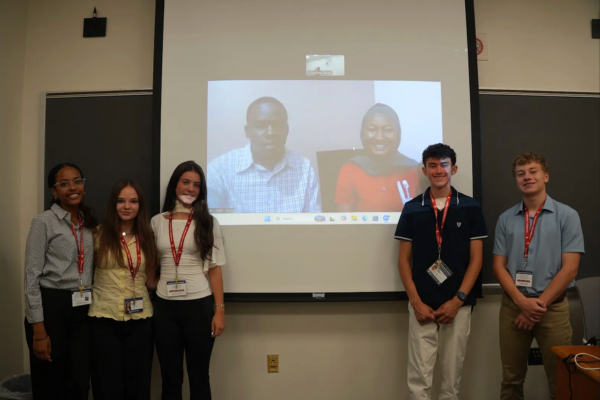
Our business development journey began with a one-on-one Zoom meeting with our partner, Zaharaddeen Hashimu, and our Nigerian project coordinator. This initial conversation laid the foundation for strong collaboration. It allowed us to better understand our partner's background, family, goals for the business, and the specific challenges they were facing.
Hearing directly from Zaharaddeen Hashimu provided the insight we needed to begin brainstorming practical, personalized solutions. Each morning, our team held focused discussions to refine our ideas, reflect on expert advice from the day before, and adjust our timeline to move our plans forward efficiently.
Throughout the process, on-staff project coordinators and business development experts offered guidance, helping us ask the right questions and turn our ideas into meaningful, actionable strategies.

I had the unique opportunity to visit the Embassy of Denmark, where I gained firsthand insight into the role of diplomacy in fostering strong relationships between Denmark and the United States.
The embassy serves as a center for international collaboration, partnering with countries and global organizations to address pressing issues such as poverty, gender inequality, and climate change. Through this visit, I learned how diplomats engage in meaningful dialogue and policy development to create sustainable, people-focused solutions.
Officials from the Embassy of Denmark shared how they collaborate with local communities to identify needs and implement programs that empower individuals and strengthen long-term development. This commitment to community-driven impact inspired my team and me as we worked to develop our own business proposal focused on creating lasting change.
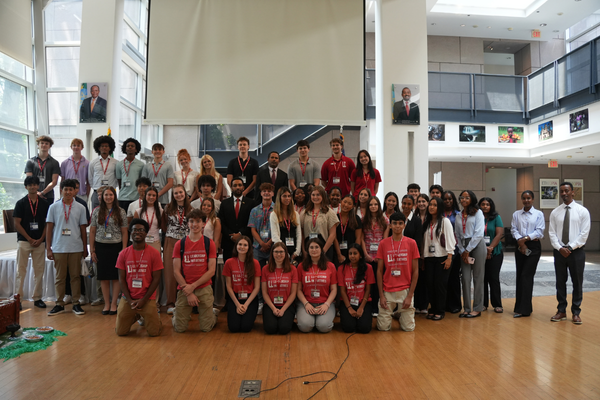
During my visit to the Ethiopian Embassy, I gained insight into how diplomacy shapes international cooperation and development. The experience deepened my understanding of the embassy’s role in promoting peace, fostering economic partnerships, and addressing shared global challenges.
Embassy representatives discussed how their work supports cross-cultural exchange, advances policy priorities, and strengthens relationships between the Ethiopian people and the United States. I learned how embassies serve as bridges, connecting governments, communities, and organizations to create innovative solutions for global issues.
This visit broadened my perspective on international leadership and inspired me to think critically about how collaboration, cultural awareness, and strategic planning can drive meaningful progress- principles that our team applied while developing our business proposal.
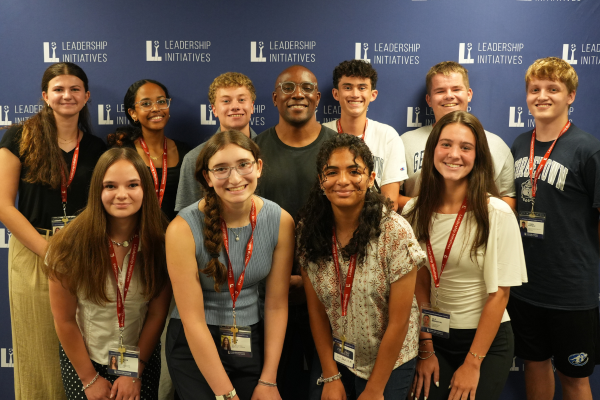
Throughout the internship, our team had the incredible opportunity to collaborate with leading experts in business and economic development from Johns Hopkins University, the U.S. State Department, and the U.S. Department of Commerce.
One of the highlights was a session with Carla Brooks, Business and Development Officer at the Johns Hopkins Center for Communication Programs.
My team also worked directly with a personal mentor. Our mentor provided us with career insights, project support, and feedback for our business ideas. The meetings we had throughout the week with our mentor provided critical insights from the initial business ideation phase through our project presentation.
With support from Ms. Brooks and other global leaders, including Eric Rosenstein, we refined our ideas, strengthened our strategy, and developed a powerful and polished pitch deck to present at the end of the week. Their guidance helped us take our business proposal to the next level, creating a plan designed not only to launch a venture, but to transform our business partner’s future.