

Lev Wilkenfeld

My Business Training
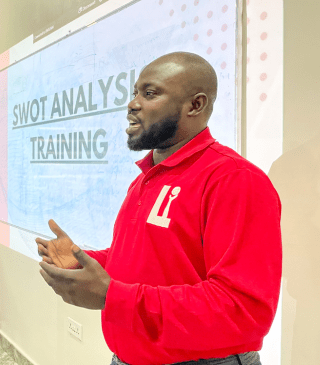


Jamilu Abubakar
Quick Facts
Jamilu Abubakar is a resilient 28-year-old carpenter from Bauchi who has overcome immense childhood hardships.
The youngest of twelve children born to a low-income farmer, Jamilu grew up facing severe resource scarcities and tragically lost four of his siblings in his early childhood and teen years.
Recognizing financial limitations early on, he began learning carpentry at age ten to secure his future.
Now newly married with a child on the way, Jamilu diligently balances caring for his pregnant wife and supporting an elderly aunt, deeply motivated to provide his growing family with the comfortable life he never had.
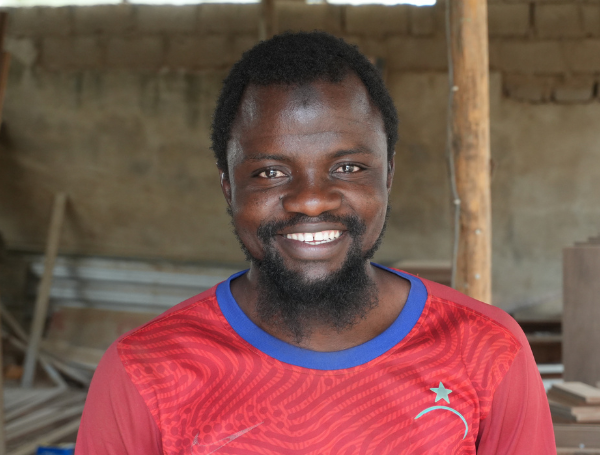
Jamilu Abubakar
Business Goals
Jamilu is aiming to launch an independent, full-scale carpentry workshop tentatively named Jamil Furniture General Concepts.
Operating daily from 8:00 AM to 7:00 PM in a bustling marketplace, his business will specialize in constructing high-quality bedframes, office tables, sofas, wardrobes and more.
He will target families, newlyweds, and working professionals aged 25 to 60 who value durable, finely finished wood craftsmanship.
Anticipating five major custom orders weekly, Jamilu plans to utilize prominent outdoor signage and strategic Facebook marketing to build a highly reliable, trusted neighborhood brand, especially during the peak dry-season wedding rush.
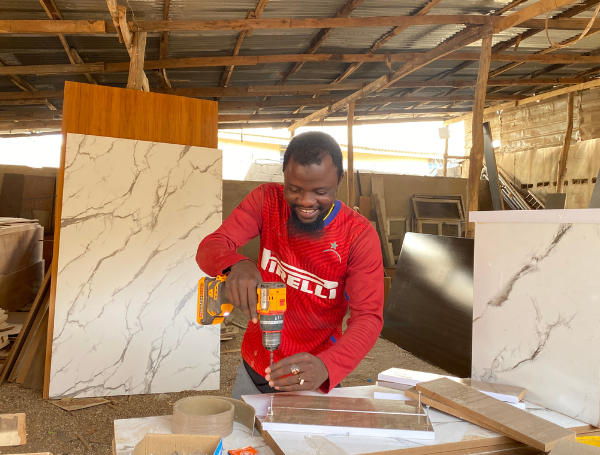
Jamilu Abubakar
Business Obstacles
Jamilu possesses eighteen years of extensive carpentry experience, but his commercial growth is severely restricted by a near-total lack of materials.
He currently owns only a single hammer, meaning he relies entirely on his employer's tools and workshop to earn a living.
This reliance creates a major operational bottleneck, as he cannot produce pieces independently or manage his own income streams.
Furthermore, occasional local material shortages can slow down production.
Finally, navigating fluctuating, job-dependent client pricing without formal bookkeeping or small-business financial tracking training makes it quite difficult to manage cash flow or build long-term business savings.
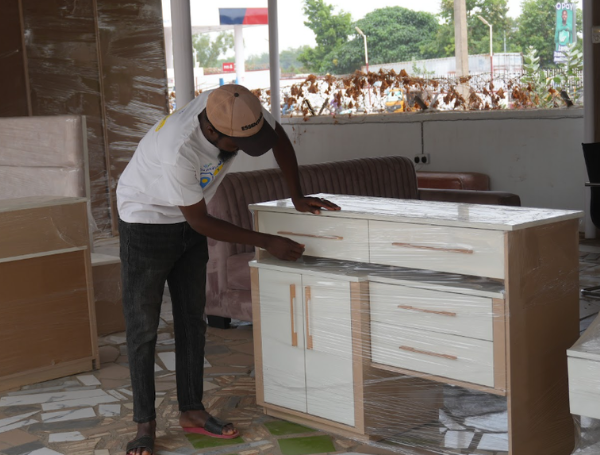
Jamilu Abubakar
Vulnerabilities
Jamilu is teaming up with Leadership Initiatives to transition away from underemployment and establish his own independent carpentry workshop.
This strategic partnership will equip his new startup with essential industrial machinery, including a circular saw, a router, a compressor, a drilling machine, an industrial sewing machine, and a reliable power generator.
By funding a spacious commercial shop of his own in a commercial hub, this initiative provides the infrastructure needed for an open gathering area and a dedicated furniture showroom.
This vital assistance directly empowers Jamilu to increase his production output, fulfill large contracts, and secure financial stability for himself

My Business Proposal
Throughout the program, we worked closely with Jamilu Abubakar to develop a clear understanding of their business goals. Though they have leveraged their skills and years of experience to create their business, they face obstacles hindering the expansion of their work.
Guided by their vision, we created a proposal detailing the infrastructure materials necessary to support the growth of their business. We devised a plan that would allow Jamilu Abubakar to optimize their business through a new financial tracking system.
This new budget enables Jamilu Abubakar to allocate funds toward essential materials and equipment, supporting the improvement of their services. Effective financial tracking will be crucial for managing increased revenue and preserving assets, ensuring the business’s long-term growth and stability.

My Business Proposal Presentation
As part of the International Leadership and Business Internship, I collaborated with top development experts to strengthen my business partner’s operation and finances.
At the conclusion of the program, my team presented our final proposal to a panel of judges from the Leadership Initiatives Grant Committee. This formal pitch allowed us to demonstrate our entrepreneurial skills, showcase our strategic plan, and advocate for meaningful change in our partner’s business.
Our team was awarded grant funding to support the implementation of our business partner’s plan, providing life-changing support that will expand operations, strengthen financial stability, and create new growth opportunities. Over the next year, this grant will help transform the future of their business and improve the quality of life for both the entrepreneur and their community.
Internship Highlights
- Business Partner Meeting
- Visit To The Embassy Of Hungary
- Diplomacy Briefing At The Mongolian Embassy
- Professional Mentorship
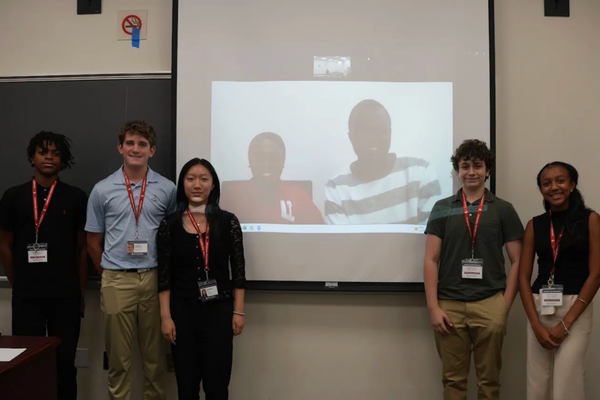
Our business development journey began with a one-on-one Zoom meeting with our partner, Jamilu Abubakar, and our Nigerian project coordinator. This initial conversation laid the foundation for strong collaboration. It allowed us to better understand our partner's background, family, goals for the business, and the specific challenges they were facing.
Hearing directly from Jamilu Abubakar provided the insight we needed to begin brainstorming practical, personalized solutions. Each morning, our team held focused discussions to refine our ideas, reflect on expert advice from the day before, and adjust our timeline to move our plans forward efficiently.
Throughout the process, on-staff project coordinators and business development experts offered guidance, helping us ask the right questions and turn our ideas into meaningful, actionable strategies.
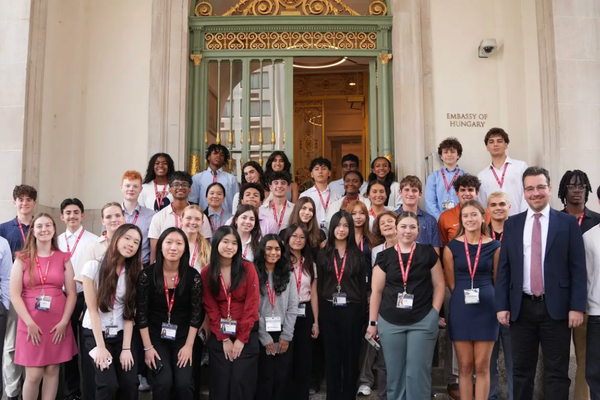
I had the unique opportunity to visit the Embassy of Hungary, where I gained firsthand insight into the role of diplomacy in fostering strong relationships between Hungary and the United States.
The embassy serves as a center for international collaboration, partnering with countries and global organizations to address pressing issues such as poverty, gender inequality, and climate change. Through this visit, I learned how diplomats engage in meaningful dialogue and policy development to create sustainable, people-focused solutions.
Officials from the Embassy of Hungary shared how they collaborate with local communities to identify needs and implement programs that empower individuals and strengthen long-term development. This commitment to community-driven impact inspired my team and me as we worked to develop our own business proposal focused on creating lasting change.
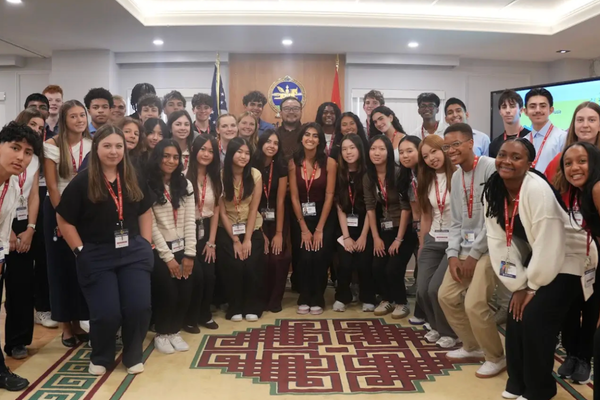
During my visit to the Mongolian Embassy, I gained insight into how diplomacy shapes international cooperation and development. The experience deepened my understanding of the embassy’s role in promoting peace, fostering economic partnerships, and addressing shared global challenges.
Embassy representatives discussed how their work supports cross-cultural exchange, advances policy priorities, and strengthens relationships between the Mongolian people and the United States. I learned how embassies serve as bridges, connecting governments, communities, and organizations to create innovative solutions for global issues.
This visit broadened my perspective on international leadership and inspired me to think critically about how collaboration, cultural awareness, and strategic planning can drive meaningful progress- principles that our team applied while developing our business proposal.
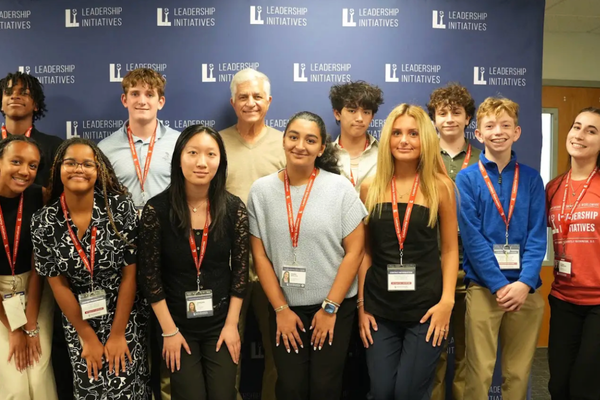
Throughout the internship, our team had the incredible opportunity to collaborate with leading experts in business and economic development from Johns Hopkins University, the U.S. State Department, and the U.S. Department of Commerce.
One of the highlights was a session with Carla Brooks, Business and Development Officer at the Johns Hopkins Center for Communication Programs.
My team also worked directly with a personal mentor. Our mentor provided us with career insights, project support, and feedback for our business ideas. The meetings we had throughout the week with our mentor provided critical insights from the initial business ideation phase through our project presentation.
With support from Ms. Brooks and other global leaders, including Eric Rosenstein, we refined our ideas, strengthened our strategy, and developed a powerful and polished pitch deck to present at the end of the week. Their guidance helped us take our business proposal to the next level, creating a plan designed not only to launch a venture, but to transform our business partner’s future.