

Lilly Kerpen
My Business Training


Saratu David Audu
Quick Facts
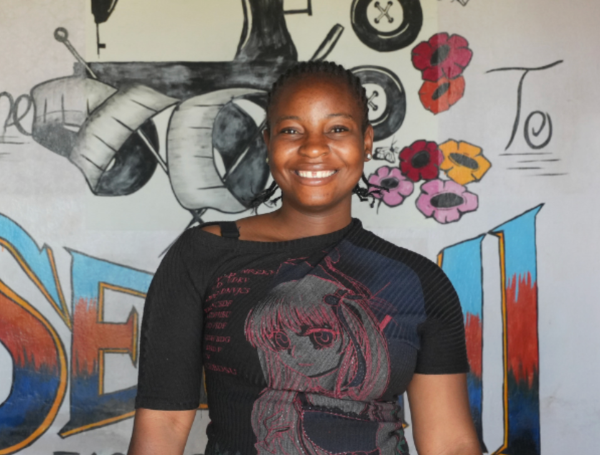
Saratu David Audu, nicknamed "Sarafinah," is a highly resilient 23-year-old fashion designer from Yelwa, Bauchi.
Overcoming childhood bullying and intense financial hardship, Saratu persevered through secondary school and successfully graduated from university.
Today, she serves as a vital financial anchor for her household, covering rent, utilities, and schooling costs for her younger brother since her father's retirement.
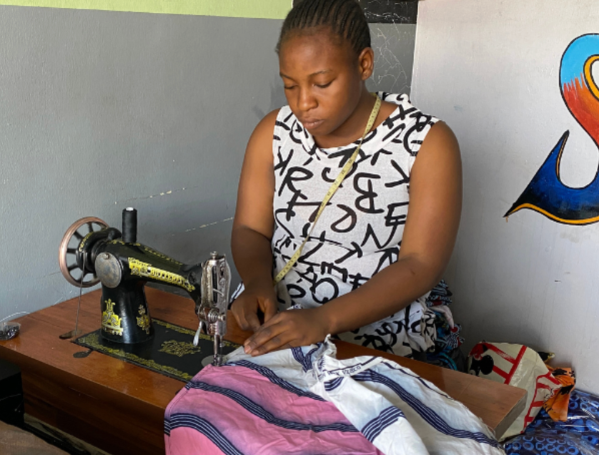
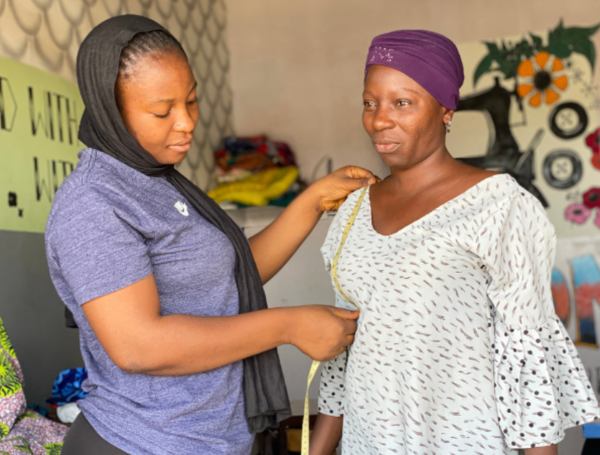
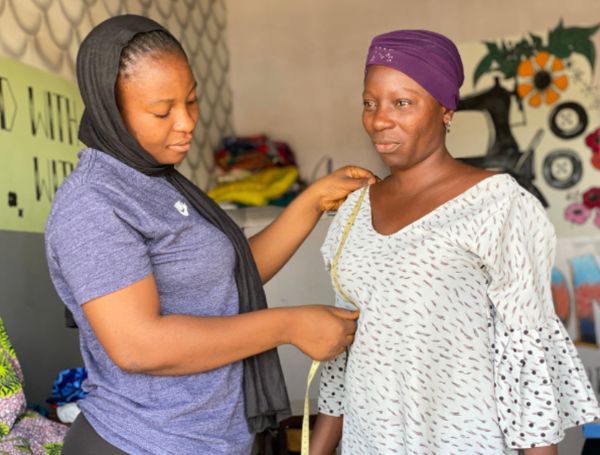
Having mastered advanced cutting, designing, and unisex tailoring through dedicated mentorship, Saratu runs a small-scale operation out of her aunt's shop.
She is deeply driven by family responsibility to establish her own independent, high-end fashion enterprise.
Saratu David Audu
Business Goals
Saratu aims to launch a leading fashion boutique, Sarafinah Fashion Empire, providing elite custom tailoring, trendy ready-made garments, and quality sewing materials.
Specializing in vibrant unisex apparel, Bowbu gowns, and delicate baby wear, she targets style-conscious young women, church congregations, and social media trendsetters.
She prioritizes top-tier fabric craftsmanship, personalized customer service, and flexible pricing to serve ten regular clients weekly.
Operating six days a week on a bustling main street, Saratu intends to use elegant branding to evoke luxury and excitement, setting a new benchmark for upscale, affordable fashion in downtown Yelwa.
Saratu David Audu
Business Obstacles
Saratu delivers beautifully finished, custom clothing despite currently working with just a manual sewing machine, a stool, and a charcoal iron.
Her absolute biggest roadblocks are the daily operational and structural hurdles of scaling a modern brand.
Frequent local power outages consistently halt her design work, iron styling, and digital trend research.
Additionally, as a fashion designer on her own, Saratu faces significant challenges in effectively promoting her boutique to downtown audiences and tracking her daily business finances without formal money management training.
Overcoming these utility gaps and marketing limitations is essential to maximize her earnings.
Saratu David Audu
Vulnerabilities
Saratu seeks support from Leadership Initiatives to transition into her own commercial boutique, requiring an industrial sewing machine, an electric iron, a stoning machine, and startup funding.
This partnership will provide the necessary assets to secure a main street location and stock premium design materials.
Crucially, this collaboration delivers an independent power generator to bypass local electrical blackouts, alongside vital small-business mentorship to help Saratu master financial record-keeping and launch targeted marketing campaigns.
With this assistance, her workshop will transform into a beautifully marketed showroom, guaranteeing absolute operational success and long-term financial security.
My Business Proposal
Throughout the program, we worked closely with Saratu David Audu to develop a clear understanding of their business goals. Though they have leveraged their skills and years of experience to create their business, they face obstacles hindering the expansion of their work.
Guided by their vision, we created a proposal detailing the infrastructure materials necessary to support the growth of their business. We devised a plan that would allow Saratu David Audu to optimize their business through a new financial tracking system.
This new budget enables Saratu David Audu to allocate funds toward essential materials and equipment, supporting the improvement of their services. Effective financial tracking will be crucial for managing increased revenue and preserving assets, ensuring the business’s long-term growth and stability.

My Business Proposal Presentation
As part of the International Leadership and Business Internship, I collaborated with top development experts to strengthen my business partner’s operation and finances.
At the conclusion of the program, my team presented our final proposal to a panel of judges from the Leadership Initiatives Grant Committee. This formal pitch allowed us to demonstrate our entrepreneurial skills, showcase our strategic plan, and advocate for meaningful change in our partner’s business.
Our team was awarded grant funding to support the implementation of our business partner’s plan, providing life-changing support that will expand operations, strengthen financial stability, and create new growth opportunities. Over the next year, this grant will help transform the future of their business and improve the quality of life for both the entrepreneur and their community.
Internship Highlights
- Business Partner Meeting
- Visit To The Embassy Of Lithuania
- Professional Networking Panel
- Professional Mentorship
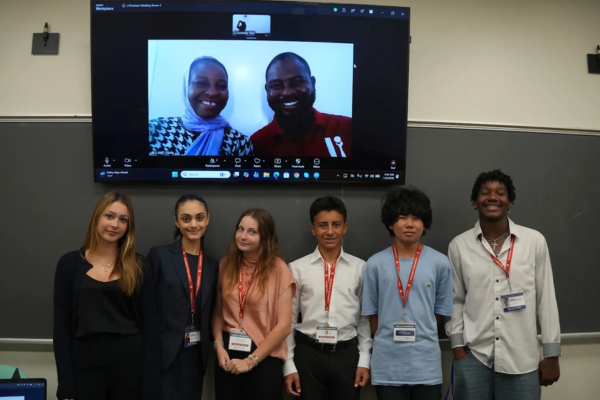
Our business development journey began with a one-on-one Zoom meeting with our partner, Saratu David Audu, and our Nigerian project coordinator. This initial conversation laid the foundation for strong collaboration. It allowed us to better understand our partner's background, family, goals for the business, and the specific challenges they were facing.
Hearing directly from Saratu David Audu provided the insight we needed to begin brainstorming practical, personalized solutions. Each morning, our team held focused discussions to refine our ideas, reflect on expert advice from the day before, and adjust our timeline to move our plans forward efficiently.
Throughout the process, on-staff project coordinators and business development experts offered guidance, helping us ask the right questions and turn our ideas into meaningful, actionable strategies.
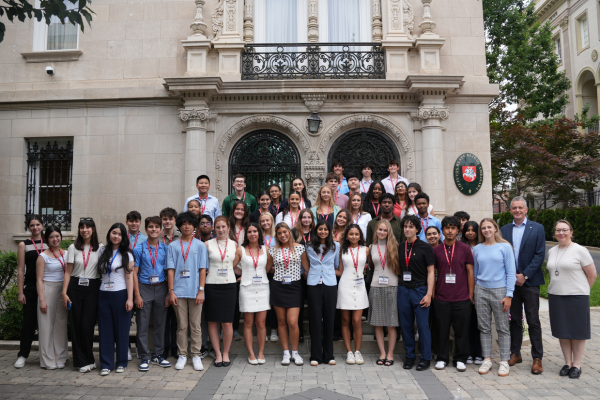
I had the unique opportunity to visit the Embassy of Lithuania, where I gained firsthand insight into the role of diplomacy in fostering strong relationships between Lithuania and the United States.
The embassy serves as a center for international collaboration, partnering with countries and global organizations to address pressing issues such as poverty, gender inequality, and climate change. Through this visit, I learned how diplomats engage in meaningful dialogue and policy development to create sustainable, people-focused solutions.
Officials from the Embassy of Lithuania shared how they collaborate with local communities to identify needs and implement programs that empower individuals and strengthen long-term development. This commitment to community-driven impact inspired my team and me as we worked to develop our own business proposal focused on creating lasting change.
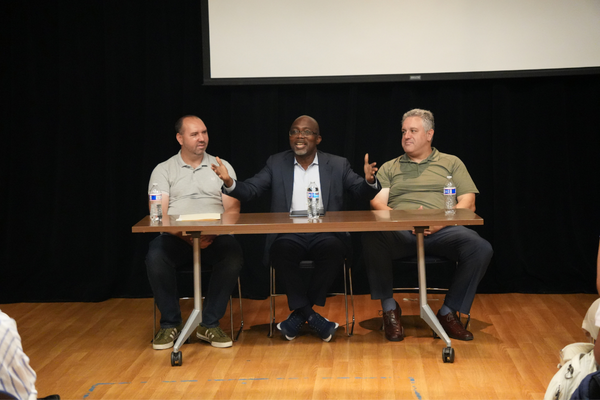
During the career mentoring panel, I had the opportunity to learn from professionals with diverse experiences across higher education, athletics, business, and entrepreneurship. Andrii Marchak and Anthony Annan shared insights from their careers and experiences at Georgetown University, while Scott Rezendes discussed his professional journey and work with the Soccer Syndicate. Together, their different backgrounds provided valuable perspectives on navigating career opportunities, developing professional skills, and building meaningful relationships.
Throughout the panel, we were able to ask questions about networking, career planning, leadership, professional growth, and finding opportunities in competitive industries. The panelists discussed their own career paths, the decisions and experiences that shaped their professional development, and strategies for building strong networks and making lasting professional connections.
This experience broadened my understanding of the many different paths a successful career can take. Hearing directly from professionals across different fields encouraged me to think more intentionally about my own goals and reinforced the importance of communication, adaptability, networking, and taking advantage of opportunities throughout my education and future career.
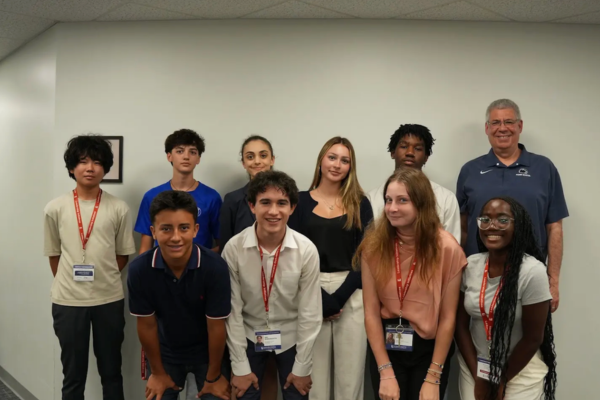
Throughout the internship, our team had the incredible opportunity to collaborate with leading experts in business and economic development from Johns Hopkins University, the U.S. State Department, and the U.S. Department of Commerce.
One of the highlights was a session with Carla Brooks, Business and Development Officer at the Johns Hopkins Center for Communication Programs.
My team also worked directly with a personal mentor. Our mentor provided us with career insights, project support, and feedback for our business ideas. The meetings we had throughout the week with our mentor provided critical insights from the initial business ideation phase through our project presentation.
With support from Ms. Brooks and other global leaders, including Eric Rosenstein, we refined our ideas, strengthened our strategy, and developed a powerful and polished pitch deck to present at the end of the week. Their guidance helped us take our business proposal to the next level, creating a plan designed not only to launch a venture, but to transform our business partner’s future.