

Aditi Madhan
My Business Training


Zahra'u Hamza
Quick Facts
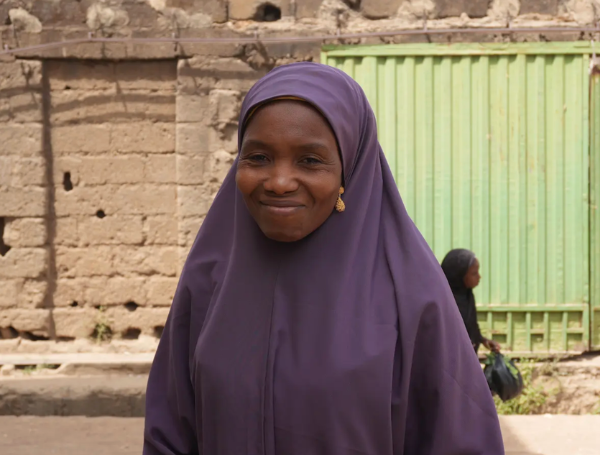
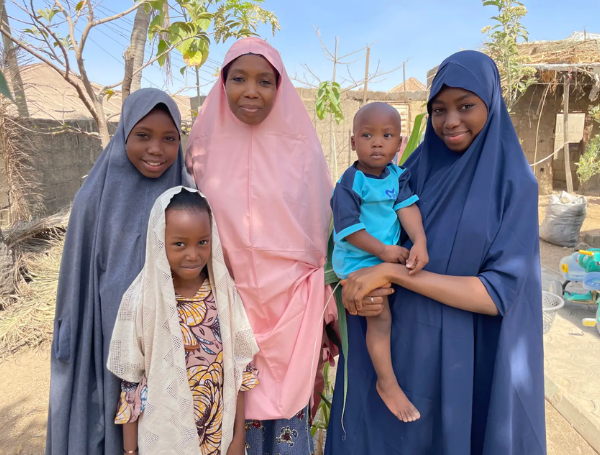
Zahra’u Hamza, affectionately known as "Maman Mufida," is a resilient 44-year-old clothes designer from Bauchi State.
Growing up in a large household, she developed a passion for tailoring from her mother, but had to pause her formal secondary education early due to family financial constraints.
Today, Zahra’u is a dedicated mother of four children. She previously exhausted her personal savings and worked extended hours to fund her daughter's emergency hospitalization.
Motivated by her family's future, she recently celebrated independently funding her eldest daughter’s university tuition, proving her deep commitment to breaking financial barriers through her hard work.
Zahra'u Hamza
Business Goals
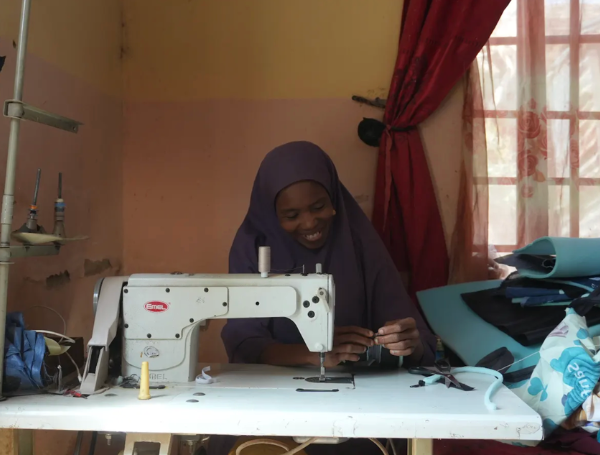
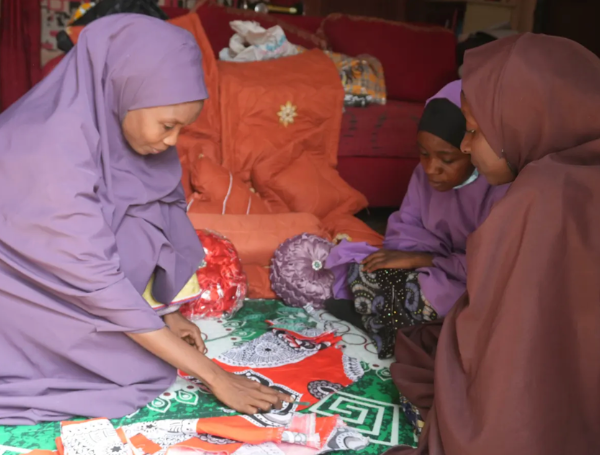
Zahra’u aims to scale her domestic sewing setup into a prominent commercial fashion hub named Annour Tailoring Services.
Operating daily from 9:00 AM to 5:00 PM in a major marketplace, she will specialize in women's custom apparel, intricate baby sets, duvets, bedcovers, and throw pillows. She also intends to offer professional sewing training services to young apprentices.
Targeting students, entrepreneurs, and office workers aged 15 to 60, Zahra’u focuses on high-quality craftsmanship, affordable fixed pricing, and reliable delivery times, aiming to build a prestigious and trusted brand during peak wedding seasons.
Zahra'u Hamza
Business Obstacles
Zahra’u produces beautiful, high-quality textile designs, but her business growth is severely restricted by working directly out of her crowded home compound.
Her primary operational bottleneck is a total lack of expansion funding, which keeps her from leasing a dedicated storefront to attract walk-in clients.
Additionally, severe regional power cuts present a major roadblock, rendering her industrial sewing machinery useless and delaying her production timelines.
Finally, managing many intensive family responsibilities alongside fluctuating, job-dependent pricing structures without formal bookkeeping experience makes it highly challenging to track her exact profit made or build her business savings.
Zahra'u Hamza
Vulnerabilities
Zahra’u is collaborating with Leadership Initiatives to move out of her home and establish an independent marketplace fashion academy.
This helpful partnership will equip her new startup with essential commercial machinery, including a specialized zigzag machine, a professional weaving machine, a heavy-duty pressing iron, and an efficient solar power system to bypass electricity shortages.
By providing the startup funding required to secure a spacious storefront, this initiative allows Zahra’u to set up distinct production, apprentice training, and product showroom areas.
This critical assistance helps her increase daily output, take on students, and comfortably support her household.
My Business Proposal
Throughout the program, we worked closely with Zahra'u Hamza to develop a clear understanding of their business goals. Though they have leveraged their skills and years of experience to create their business, they face obstacles hindering the expansion of their work.
Guided by their vision, we created a proposal detailing the infrastructure materials necessary to support the growth of their business. We devised a plan that would allow Zahra'u Hamza to optimize their business through a new financial tracking system.
This new budget enables Zahra'u Hamza to allocate funds toward essential materials and equipment, supporting the improvement of their services. Effective financial tracking will be crucial for managing increased revenue and preserving assets, ensuring the business’s long-term growth and stability.

My Business Proposal Presentation
As part of the International Leadership and Business Internship, I collaborated with top development experts to strengthen my business partner’s operation and finances.
At the conclusion of the program, my team presented our final proposal to a panel of judges from the Leadership Initiatives Grant Committee. This formal pitch allowed us to demonstrate our entrepreneurial skills, showcase our strategic plan, and advocate for meaningful change in our partner’s business.
Our team was awarded grant funding to support the implementation of our business partner’s plan, providing life-changing support that will expand operations, strengthen financial stability, and create new growth opportunities. Over the next year, this grant will help transform the future of their business and improve the quality of life for both the entrepreneur and their community.
Internship Highlights
- Business Partner Meeting
- Visit To The Embassy Of Kenya
- Diplomacy Briefing At The Egyptian Embassy
- Professional Mentorship
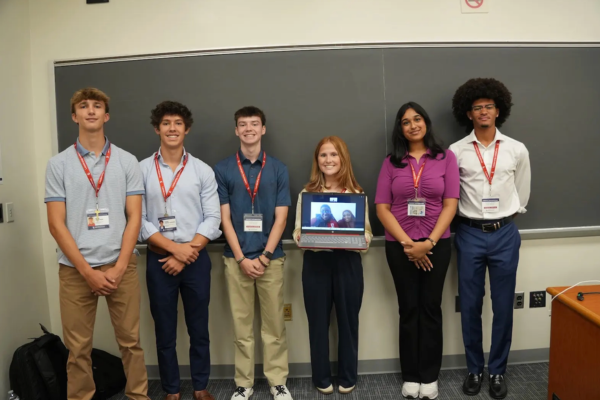
Our business development journey began with a one-on-one Zoom meeting with our partner, Zahra'u Hamza, and our Nigerian project coordinator. This initial conversation laid the foundation for strong collaboration. It allowed us to better understand our partner's background, family, goals for the business, and the specific challenges they were facing.
Hearing directly from Zahra'u Hamza provided the insight we needed to begin brainstorming practical, personalized solutions. Each morning, our team held focused discussions to refine our ideas, reflect on expert advice from the day before, and adjust our timeline to move our plans forward efficiently.
Throughout the process, on-staff project coordinators and business development experts offered guidance, helping us ask the right questions and turn our ideas into meaningful, actionable strategies.
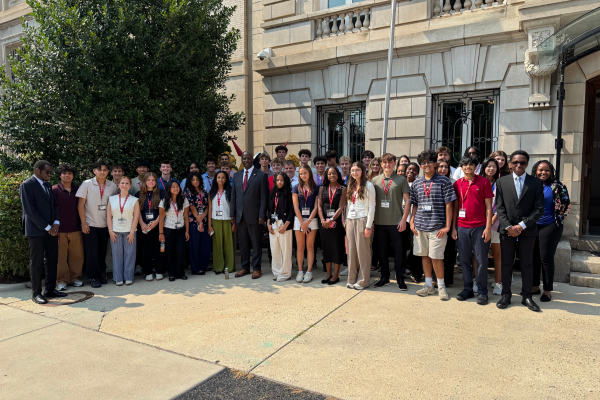
I had the unique opportunity to visit the Embassy of Kenya, where I gained firsthand insight into the role of diplomacy in fostering strong relationships between Kenya and the United States.
The embassy serves as a center for international collaboration, partnering with countries and global organizations to address pressing issues such as poverty, gender inequality, and climate change. Through this visit, I learned how diplomats engage in meaningful dialogue and policy development to create sustainable, people-focused solutions.
Officials from the Embassy of Kenya shared how they collaborate with local communities to identify needs and implement programs that empower individuals and strengthen long-term development. This commitment to community-driven impact inspired my team and me as we worked to develop our own business proposal focused on creating lasting change.
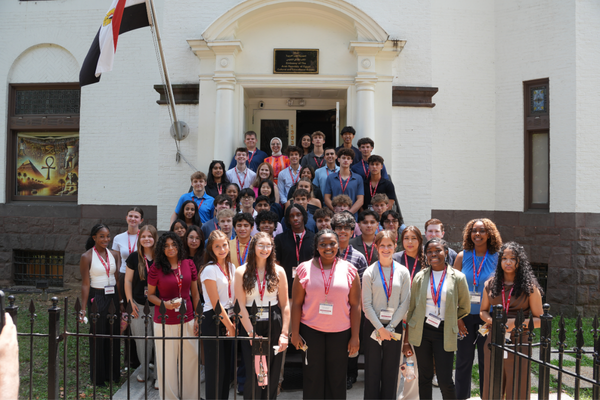
During my visit to the Egyptian Embassy, I gained insight into how diplomacy shapes international cooperation and development. The experience deepened my understanding of the embassy’s role in promoting peace, fostering economic partnerships, and addressing shared global challenges.
Embassy representatives discussed how their work supports cross-cultural exchange, advances policy priorities, and strengthens relationships between the Egyptian people and the United States. I learned how embassies serve as bridges, connecting governments, communities, and organizations to create innovative solutions for global issues.
This visit broadened my perspective on international leadership and inspired me to think critically about how collaboration, cultural awareness, and strategic planning can drive meaningful progress- principles that our team applied while developing our business proposal.
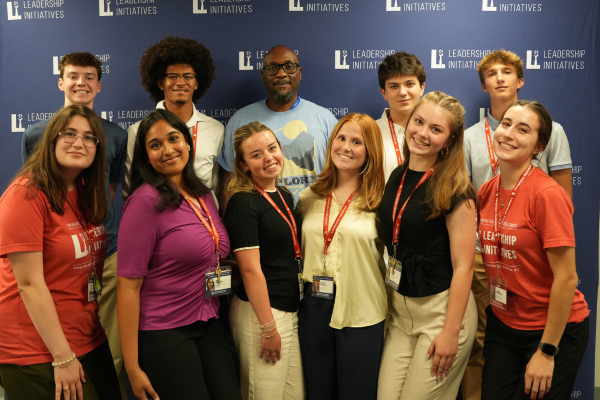
Throughout the internship, our team had the incredible opportunity to collaborate with leading experts in business and economic development from Johns Hopkins University, the U.S. State Department, and the U.S. Department of Commerce.
One of the highlights was a session with Carla Brooks, Business and Development Officer at the Johns Hopkins Center for Communication Programs.
My team also worked directly with a personal mentor. Our mentor provided us with career insights, project support, and feedback for our business ideas. The meetings we had throughout the week with our mentor provided critical insights from the initial business ideation phase through our project presentation.
With support from Ms. Brooks and other global leaders, including Eric Rosenstein, we refined our ideas, strengthened our strategy, and developed a powerful and polished pitch deck to present at the end of the week. Their guidance helped us take our business proposal to the next level, creating a plan designed not only to launch a venture, but to transform our business partner’s future.