
Luke-Upton

Luke Upton



Federal University Dutse
Firm Statistics
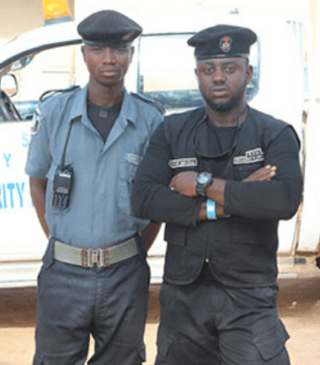
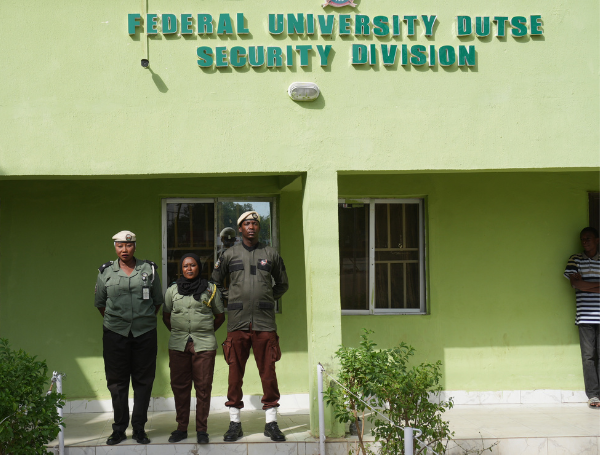
Federal University Dutse serves approximately 20,000 students across a campus containing roughly 100 structures, supported by approximately 300 unarmed security guards.
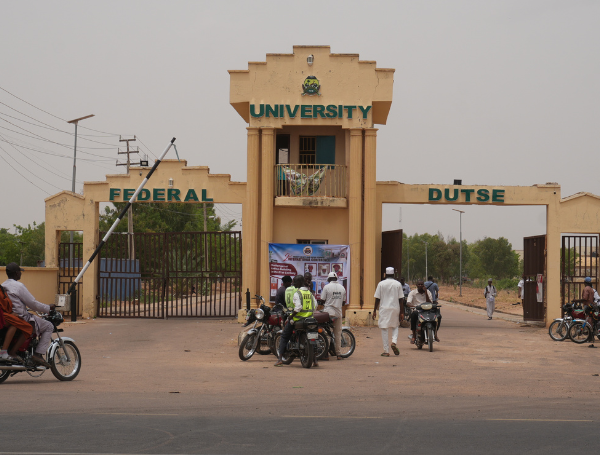
Security operations include three main gates, fixed posts, foot patrols, motorcycle patrols, and 24-hour coverage across three shifts.
Key challenges include limited CCTV, weak communications, insufficient patrol vehicles, and no centralized reporting system.
Damaged fencing and informal entry points further weaken perimeter control.
Continued investment in surveillance, communication, mobility, reporting systems, and perimeter protection is essential for reliable campus-wide security.
Federal University Dutse
About the Firm
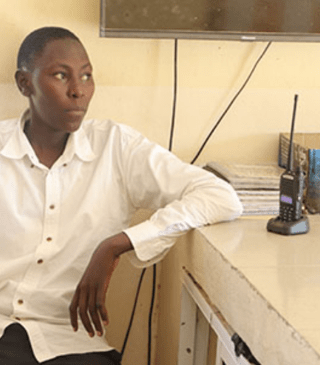
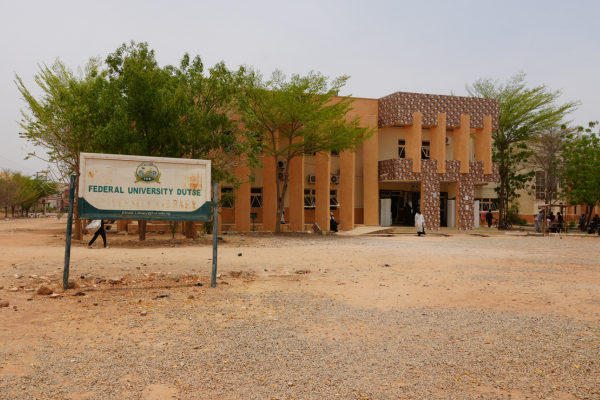
Federal University Dutse maintains a substantial security operation across a large campus of approximately 100 structures. Roughly 300 unarmed guards provide 24-hour coverage through three shifts, monitoring gates, fixed posts, residential areas, and other high-priority locations.
Scheduled foot and motorcycle patrols provide regular coverage and allow guards to monitor important areas. However, predictable patrol patterns, limited vehicles, and uneven surveillance can leave peripheral spaces less consistently protected.
Limited CCTV, weak communications, damaged fencing, informal entry points, and the absence of centralized reporting remain important vulnerabilities. Continued investment in technology, mobility, communications, and perimeter security would strengthen overall operations.
Federal University Dutse
Community Impact
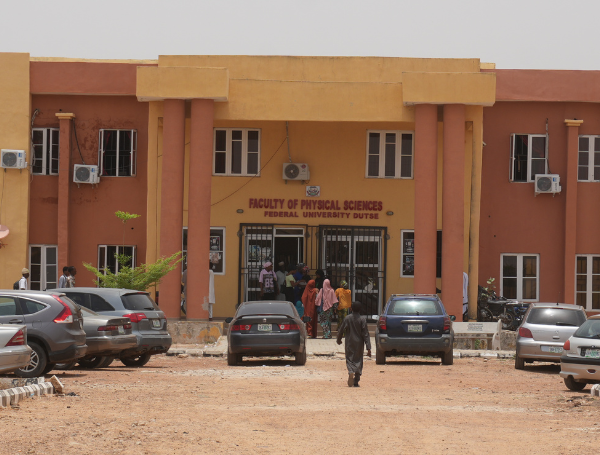
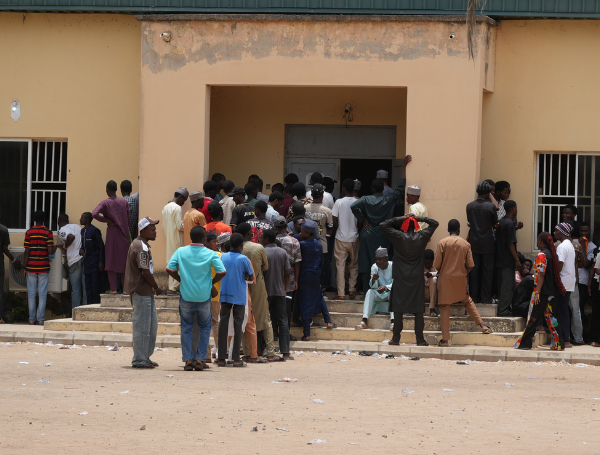
Federal University Dutse’s security operations protect approximately 20,000 students, including roughly 12,000 living on campus and 8,000 residing in surrounding communities. This creates security responsibilities that extend from residential and academic areas into nearby student travel routes.
A large security force provides continuous campus coverage, with guards prioritizing housing, academic resources, high-traffic locations, and other important facilities.
Community relationships further strengthen security through informal intelligence sharing and communication about suspicious activity. Improved coordination between campus personnel, students, residents, and external authorities can expand awareness beyond university boundaries and create a safer, more connected environment for the entire university community.
Federal University Dutse
Community Involvement
Federal University Dutse faces continuing vulnerabilities despite its large security force. Limited CCTV coverage, insufficient patrol vehicles, damaged fencing, and informal entry points create gaps in monitoring and perimeter protection.
Communication also remains inconsistent. Guards rely on limited radios, personal phones, and direct communication, while the university lacks a centralized emergency hotline and standardized incident reporting system.
Regional threats reinforce the importance of cooperation beyond campus. Local police, military units, residents, and traditional networks already contribute to security awareness and response. Stronger coordination, particularly around student travel routes and vulnerable boundary areas, would improve detection, deterrence, and emergency preparedness.
My Security Proposal
Throughout the program, we worked closely with Federal University Dutse security officials to gain a clear understanding of the institution’s security needs and the systems currently used to protect students, faculty, staff, and the broader campus community. These meetings provided valuable insight into potential gaps within existing security procedures and the risks they may pose to campus safety.
Using information gathered through these consultations, we identified key security concerns that could affect the university’s ability to prevent, detect, and respond to potential threats. We evaluated existing security measures, considered the potential impact of identified vulnerabilities, and examined opportunities to strengthen campus safety and preparedness.
To address these concerns, we developed a comprehensive security proposal that included a SWOT analysis of the university’s current security situation and recommendations for improved security measures. Drawing on international security standards and best practices, we proposed practical strategies designed to address identified vulnerabilities, strengthen existing security procedures, and enhance the university’s ability to protect its campus community.

My Security Proposal Presentation
Throughout the National Security & Diplomacy Internship, I worked directly with some of the world’s leading counterintelligence and counterterrorism experts to learn about national security and intelligence.
At the conclusion of the internship, my team presented our final proposal to a panel of judges from the Leadership Initiatives Grant Committee. This formal pitch allowed us to apply our skills in operational security, showcase our strategic plan, and advocate for meaningful change at Federal University Dutse.
Our team was awarded a grant that will fund the implementation of our security proposal. Over the next year, this grant will help transform the future of their university and improve the quality of life for their communities.
Expert & Mentor Collaboration
Our team began developing our solution by meeting the security company at Federal University Dutse through a Zoom meeting with the security guards.
Throughout the week, we had several calls with the security company. We discovered the threats faced by Federal University Dutse, asked questions about the security situation, and learned about the university in the context of a wider security crisis in Jigawa State, Nigeria.
Once we compiled all the information, our team outlined security protocols pertaining to the security company through a SWOT analysis that identifies strengths, weaknesses, opportunities, and threats.
Throughout our protocol-development process, we worked with Leadership Initiatives coordinators based in Nigeria, mentors in the security field, and national security experts in order to polish our proposal and final presentation.
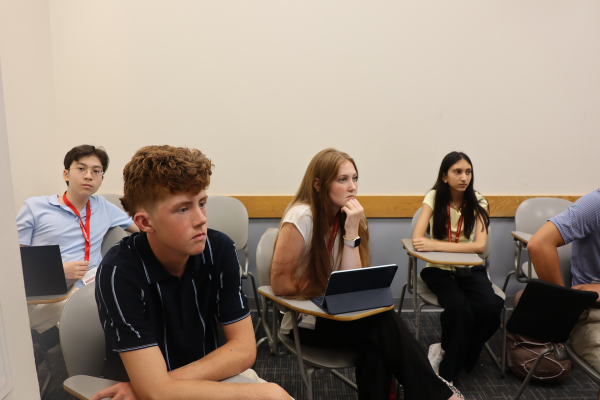
Throughout the course of the week, we met with various experts in national security and intelligence, including Gina Bennett, Mathew Brodman, Jaime Puerta, Bill Stefan, and Philip Brenner.
Our mentors offered us insights on our projects every step of the way. We gained valuable knowledge across various areas of intelligence and counterintelligence, which in turn helped us prepare the best security protocols possible.
Besides consultation, we had the opportunity to learn about each mentor’s contribution to the safety of the nation and the field of national security itself. We asked them about the basics of the field, its future, and everything in between.
Throughout the internship, we met with distinguished guest speakers, including Gina Bennett, a respected Senior Analyst for the Central Intelligence Agency (CIA), known for her contributions to the search for Osama Bin Laden.
Ms. Bennett, as well as Marc Zavarro, a staff member at Counterterrorism/Counterintelligence Partners, which provides courses for the NSA, gave introductory lectures on intelligence. We also got to ask countless questions and learn about their paths into the world of national security.
We learned about foreign policy objectives from key intelligence and foreign operative officials and researchers, including Philip Brenner, an expert on US/Cuba and US/South American relations.
We also delved into the role of intelligence in supporting national policy objectives, including the anti-fentanyl campaign. Leaders and advocates, including Jaime Puerta, the President of Victims of Illicit Drugs, gave emotional insights into the real-world effects of intelligence and counterintelligence operations.
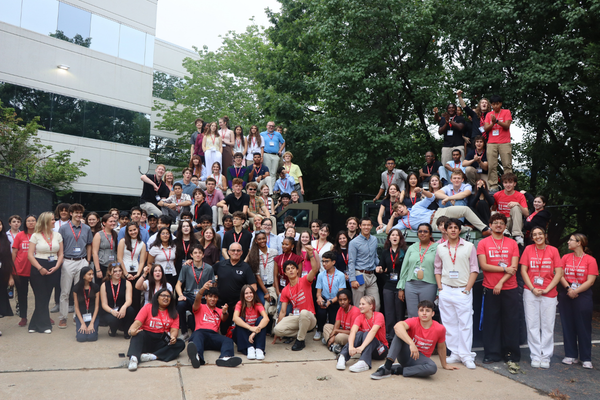
We visited the Department of Homeland Security’s Reston Field Office. On this visit, we learned about ongoing tactical operations from Homeland Security and the way they are used to identify human trafficking, drug smuggling, and various other crimes.
We also took a tour of the Homeland Security Investigations Technical Operations Center, which specializes in equipping government officials with cutting-edge electronic surveillance tools as well as enhancing national security operations. We toured an armored vehicle with special surveillance equipment, tested out thermal imaging goggles used in the field, and more!
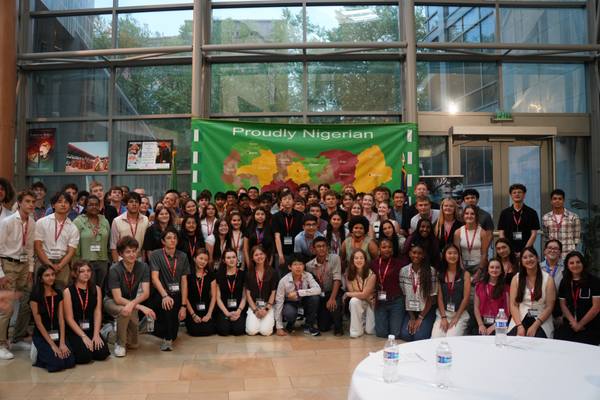
Last but not least, we toured the Embassy of Nigeria. During this visit, we received cultural, diplomatic, and military briefings from Embassy officials to understand the relationship between the United States and Nigeria.